
Overview
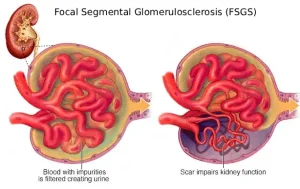
Focal segmental glomerulosclerosis is a kidney disorder characterized by scarring in some of the glomeruli, which are the tiny filtering units of the kidneys. The term focal means that only some glomeruli are affected, and segmental means that only part of each affected glomerulus is scarred. Focal segmental glomerulosclerosis can lead to significant protein loss in the urine and may progress to chronic kidney disease or kidney failure if not managed appropriately.
Symptoms
Symptoms of focal segmental glomerulosclerosis often relate to kidney damage and protein loss:
-
Swelling of the legs, ankles, feet, or face
-
Foamy urine due to excess protein
-
Weight gain from fluid retention
-
Fatigue
-
Decreased urine output in advanced stages
-
High blood pressure
Some individuals may have mild symptoms early in the disease.
Causes
Focal segmental glomerulosclerosis can develop due to damage to specialized kidney cells called podocytes. It may be classified as primary or secondary:
-
Primary focal segmental glomerulosclerosis with no identifiable cause
-
Secondary forms related to obesity, diabetes, infections, reduced kidney mass, or certain medications
-
Genetic mutations affecting kidney structure
-
Viral infections such as HIV
The underlying cause influences disease progression and treatment response.
Risk Factors
Factors that increase the risk of focal segmental glomerulosclerosis include:
-
Family history of kidney disease
-
Obesity
-
Diabetes
-
Infections affecting the kidneys
-
Use of certain drugs that affect kidney function
-
African ancestry
These factors may increase susceptibility to kidney injury.
Complications
Focal segmental glomerulosclerosis can lead to serious kidney-related complications:
-
Nephrotic syndrome
-
Chronic kidney disease
-
End-stage kidney failure
-
Increased risk of blood clots
-
High cholesterol levels
-
Increased risk of infections
Early diagnosis and treatment help slow disease progression.
Prevention
There is no guaranteed way to prevent focal segmental glomerulosclerosis, but kidney health can be protected:
-
Managing blood pressure and blood sugar levels
-
Maintaining a healthy body weight
-
Avoiding unnecessary use of kidney-harming medications
-
Treating underlying conditions promptly
-
Regular monitoring for individuals at risk of kidney disease
Ongoing medical care is essential to reduce complications and preserve kidney function.
Advertisement
