
Overview
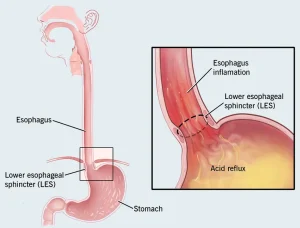
Gastroesophageal Reflux Disease, commonly known as GERD, is a chronic digestive condition in which stomach acid or bile frequently flows back into the esophagus. This backflow, called acid reflux, irritates the lining of the esophagus and can lead to persistent symptoms and complications over time. GERD is more than occasional heartburn and often requires long-term management to prevent damage to the esophagus.
Symptoms
Symptoms of GERD can range from mild to severe and may worsen after eating or when lying down. Common symptoms include:
-
Burning sensation in the chest known as heartburn
-
Acidic or bitter taste in the mouth
-
Regurgitation of food or sour liquid
-
Difficulty swallowing
-
Chest pain not related to heart problems
-
Chronic cough or throat irritation
-
Hoarseness or voice changes
-
Sensation of a lump in the throat
Some individuals may experience symptoms without noticeable heartburn.
Causes
GERD occurs when the lower esophageal sphincter, a muscle that normally prevents stomach contents from flowing backward, becomes weak or relaxes abnormally. Common causes include:
-
Weak or damaged lower esophageal sphincter
-
Hiatal hernia
-
Delayed stomach emptying
-
Increased abdominal pressure due to obesity or pregnancy
-
Frequent consumption of acidic, fatty, or spicy foods
These factors allow stomach acid to repeatedly irritate the esophagus.
Risk Factors
Several factors increase the likelihood of developing GERD, including:
-
Obesity or excess abdominal weight
-
Pregnancy
-
Smoking
-
Eating large or late-night meals
-
Consumption of alcohol, caffeine, or carbonated beverages
-
Certain medications that relax the esophageal sphincter
Complications
Untreated GERD can cause long-term damage to the esophagus and surrounding structures. Possible complications include:
-
Esophagitis, or inflammation of the esophagus
-
Esophageal strictures causing narrowing and swallowing difficulty
-
Barrett’s esophagus, a precancerous condition
-
Increased risk of esophageal cancer
-
Chronic respiratory problems such as asthma or laryngitis
Early treatment helps reduce the risk of serious complications.
Prevention
GERD can often be managed and prevented through lifestyle changes and healthy habits:
-
Maintaining a healthy body weight
-
Eating smaller, more frequent meals
-
Avoiding trigger foods and beverages
-
Not lying down immediately after eating
-
Elevating the head while sleeping
-
Quitting smoking
-
Limiting alcohol intake
Consistent lifestyle adjustments and timely medical care can significantly improve symptoms and prevent progression of GERD.
Advertisement
