
Overview
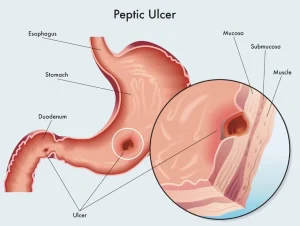
Gastrointestinal bleeding refers to any form of bleeding that occurs within the digestive tract, which includes the esophagus, stomach, small intestine, large intestine, rectum, and anus. The condition can range from mild and slow blood loss to severe, life-threatening hemorrhage. Gastrointestinal bleeding is a symptom rather than a disease and usually indicates an underlying digestive disorder that requires medical evaluation.
Symptoms
Symptoms of gastrointestinal bleeding vary depending on the location and severity of the bleeding. Common symptoms include:
-
Black, tarry stools
-
Bright red blood in stool or on toilet paper
-
Vomiting blood or material that looks like coffee grounds
-
Abdominal pain or cramping
-
Dizziness or lightheadedness
-
Fatigue due to blood loss
-
Shortness of breath in severe cases
Slow or hidden bleeding may not cause obvious symptoms but can lead to anemia over time.
Causes
Gastrointestinal bleeding can originate from different parts of the digestive tract. Common causes include:
-
Peptic ulcers in the stomach or small intestine
-
Gastritis or esophagitis
-
Gastroesophageal reflux disease
-
Hemorrhoids or anal fissures
-
Diverticular disease
-
Inflammatory bowel disease
-
Polyps or cancers of the digestive tract
-
Use of nonsteroidal anti-inflammatory drugs
The cause often depends on whether the bleeding occurs in the upper or lower gastrointestinal tract.
Risk Factors
Several factors increase the risk of gastrointestinal bleeding, including:
-
Long-term use of pain-relieving medications
-
Excessive alcohol consumption
-
Smoking
-
Older age
-
Chronic digestive disorders
-
Liver disease
-
Blood clotting disorders
These factors can weaken the digestive lining or affect normal blood clotting.
Complications
If not treated promptly, gastrointestinal bleeding can lead to serious complications. Possible complications include:
-
Anemia due to ongoing blood loss
-
Severe blood loss leading to shock
-
Heart strain caused by reduced oxygen supply
-
Worsening of underlying digestive disease
-
Increased risk of death in severe cases
Early diagnosis and treatment are essential to prevent life-threatening outcomes.
Prevention
While not all cases can be prevented, certain steps may help reduce the risk of gastrointestinal bleeding:
-
Using pain-relieving medications only as directed
-
Limiting alcohol intake
-
Quitting smoking
-
Managing acid reflux and stomach conditions early
-
Eating a balanced diet to support digestive health
-
Seeking medical care for persistent digestive symptoms or blood in stool
Timely management of digestive disorders plays a key role in preventing gastrointestinal bleeding.
Request an appointment
Advertisement
