
Overview
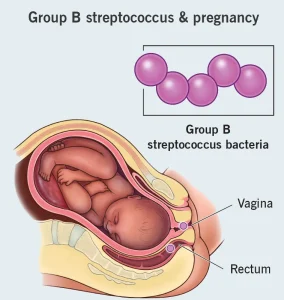
Group B Streptococcus (GBS) disease is an infection caused by the bacterium Streptococcus agalactiae. It commonly affects newborns, pregnant women, and adults with certain chronic medical conditions. In newborns, it can lead to serious complications such as sepsis, pneumonia, and meningitis. GBS is a leading cause of infection in infants during the first week of life (early-onset) and can also affect adults, particularly those with weakened immune systems.
Symptoms
In newborns, symptoms may include:
-
Fever or low body temperature
-
Difficulty feeding or refusing to feed
-
Lethargy or irritability
-
Breathing difficulties or rapid breathing
-
Seizures in severe cases
In adults, symptoms may include:
-
Fever and chills
-
Pain or swelling in the affected area (such as skin, urinary tract, or lungs)
-
Fatigue or malaise
-
Skin infections, urinary tract infections, or bloodstream infections in severe cases
Causes
Group B Streptococcus bacteria naturally live in the gastrointestinal and genital tracts of healthy adults. Infection occurs when:
-
Newborns are exposed to GBS during delivery from colonized mothers
-
Adults with weakened immune systems are exposed to GBS through wounds, medical devices, or underlying health conditions
Risk factors
For newborns:
-
Maternal GBS colonization in the vagina or rectum
-
Premature birth
-
Prolonged rupture of membranes before delivery
-
Previous baby with GBS infection
For adults:
-
Older age (over 65 years)
-
Chronic medical conditions such as diabetes, liver disease, or cancer
-
Weakened immune system
Complications
-
Sepsis (blood infection)
-
Pneumonia
-
Meningitis
-
Long-term neurological problems in infants who survive meningitis
-
Severe infections in adults leading to hospitalization or death
Prevention
-
Pregnant women are routinely screened for GBS between 35–37 weeks of gestation
-
Antibiotic prophylaxis during labor for mothers who test positive for GBS
-
Good hygiene practices, particularly for adults with chronic conditions or weakened immunity
-
Prompt treatment of infections in adults to prevent progression
Early detection and proper treatment of Group B Strep disease significantly reduce the risk of serious complications in both newborns and adults.
Advertisement
