
Overview
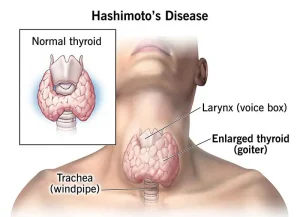
Hashimoto’s disease, also known as Hashimoto’s thyroiditis, is an autoimmune disorder in which the immune system attacks the thyroid gland. This leads to chronic inflammation and gradually reduces the thyroid’s ability to produce hormones. It is the most common cause of hypothyroidism in many parts of the world and often develops slowly over time.
Symptoms
Symptoms of Hashimoto’s disease may not appear early and often develop gradually as thyroid function declines. Common symptoms include:
-
Fatigue and weakness
-
Weight gain despite normal eating habits
-
Sensitivity to cold
-
Dry skin and hair
-
Hair thinning or hair loss
-
Constipation
-
Depression or low mood
-
Memory problems or difficulty concentrating
-
Muscle aches or joint stiffness
-
Irregular or heavy menstrual periods
-
Slowed heart rate
Some people may also notice swelling in the neck due to an enlarged thyroid, known as a goiter.
Causes
Hashimoto’s disease is caused by an abnormal immune response in which the body mistakenly attacks thyroid tissue. This immune attack damages the thyroid and interferes with hormone production. The exact reason this immune response develops is not fully understood, but it is believed to involve a combination of genetic and environmental factors.
Risk Factors
Several factors may increase the likelihood of developing Hashimoto’s disease, including:
-
Family history of thyroid or autoimmune disorders
-
Female sex
-
Middle age, though it can occur at any age
-
Presence of other autoimmune conditions
-
Excess iodine intake
-
Exposure to certain environmental triggers, such as infections
Complications
If left untreated, Hashimoto’s disease can lead to a number of complications, including:
-
Goiter due to thyroid enlargement
-
Heart problems such as slowed heart rate or increased cholesterol levels
-
Mental health issues including depression
-
Infertility or pregnancy complications
-
Myxedema, a rare but life-threatening condition caused by severe hypothyroidism
Prevention
There is no known way to prevent Hashimoto’s disease because it is largely related to genetic and immune system factors. However, early detection and proper management can help prevent complications. Preventive strategies focus on:
-
Regular health checkups, especially for those with risk factors
-
Monitoring thyroid function if symptoms develop
-
Managing iodine intake as recommended by healthcare providers
-
Following prescribed treatment plans to maintain normal thyroid hormone levels
With appropriate medical care, most people with Hashimoto’s disease can manage symptoms effectively and maintain a good quality of life.
Advertisement
