
Overview
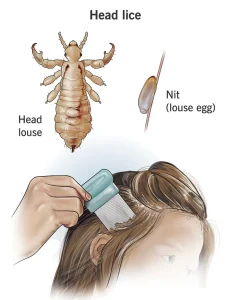
Head lice are tiny, wingless insects that live on the scalp and feed on small amounts of blood. They are most commonly found in children, especially those of school-going age, but anyone can get head lice. The condition is not related to poor hygiene and can affect people of all backgrounds.
Head lice spread easily through close head-to-head contact and, less commonly, by sharing personal items such as combs, hats, or pillows. While head lice are annoying and uncomfortable, they do not spread disease and are not a sign of serious illness.
With proper treatment and preventive measures, head lice can be effectively eliminated.
Symptoms
The most common symptom of head lice is itching, which is caused by an allergic reaction to lice bites. Symptoms may take several weeks to appear after the initial infestation.
Common symptoms include:
-
Persistent itching of the scalp, neck, and ears
-
A tickling or crawling sensation on the scalp
-
Red bumps or sores on the scalp, neck, or shoulders from scratching
-
Difficulty sleeping, as head lice are more active at night
-
Visible lice or tiny white or yellowish eggs called nits attached to hair shafts
In some cases, scratching can lead to skin irritation or secondary bacterial infections.
Causes
Head lice infestation occurs when lice are transferred from one person to another. Lice cannot jump or fly; they move by crawling.
Common causes include:
-
Direct head-to-head contact with an infested person
-
Sharing personal items such as combs, brushes, hats, scarves, or headphones
-
Lying on bedding, furniture, or carpets recently used by someone with head lice
Once on the scalp, lice lay eggs close to the skin, and the infestation continues unless treated.
Risk factors
Certain factors increase the risk of getting head lice:
-
Being a child, particularly between the ages of 3 and 12
-
Attending school, daycare, or camps where close contact is common
-
Living in crowded conditions
-
Having close contact with someone who has head lice
-
Sharing personal hair-care items or head coverings
Head lice are equally likely to affect clean or dirty hair.
Complications
Head lice rarely cause serious health problems, but complications can occur if the infestation is not managed properly.
Possible complications include:
-
Skin irritation and sores from frequent scratching
-
Secondary bacterial infections of the scalp
-
Swollen lymph nodes in the neck in severe cases
-
Emotional distress or social discomfort, especially in children
Prompt treatment helps reduce the risk of complications.
Prevention
Preventing head lice focuses on reducing close contact and avoiding shared personal items.
Helpful prevention measures include:
-
Avoiding head-to-head contact during play or activities
-
Not sharing combs, brushes, hats, scarves, or hair accessories
-
Regularly checking children’s hair, especially during outbreaks at school
-
Washing bedding, clothing, and personal items in hot water if exposed
-
Educating children about not sharing personal items
Early detection and treatment are key to stopping the spread of head lice.
Advertisement
