
Overview
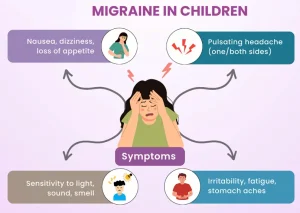
Headaches in children are common and usually not a sign of a serious medical condition. They can occur at any age, including early childhood, and may vary in frequency, intensity, and cause. Most childhood headaches are related to minor issues such as stress, fatigue, dehydration, or viral infections.
In some cases, children may experience recurrent headaches, including migraines or tension-type headaches. Although headaches can interfere with school performance and daily activities, they are often manageable with proper care, lifestyle adjustments, and medical guidance when needed.
Understanding the possible causes and recognizing warning signs can help parents and caregivers respond appropriately.
Symptoms
Symptoms of headaches in children can differ based on the type and cause of the headache. Younger children may have difficulty describing their pain and may show behavioral changes instead.
Common symptoms include:
-
Pain or pressure in the head or face
-
Pain on one or both sides of the head
-
Throbbing or dull aching sensation
-
Sensitivity to light or sound
-
Nausea or vomiting, especially with migraines
-
Fatigue or irritability
-
Difficulty concentrating or wanting to lie down
Some children may experience visual disturbances, dizziness, or abdominal pain along with headaches.
Causes
Headaches in children can result from a wide range of physical, emotional, and environmental factors.
Common causes include:
-
Tension from stress, anxiety, or poor posture
-
Lack of sleep or irregular sleep schedules
-
Dehydration or skipping meals
-
Viral or bacterial infections, such as colds or sinus infections
-
Eye strain from excessive screen time or uncorrected vision problems
-
Head injury or minor trauma
-
Migraines, which may have a genetic component
Less commonly, headaches may be associated with underlying medical conditions that require evaluation.
Risk factors
Certain factors may increase a child’s likelihood of experiencing headaches:
-
Family history of headaches or migraines
-
High levels of stress related to school or social situations
-
Excessive use of digital devices
-
Poor sleep habits
-
Inadequate hydration or nutrition
-
Exposure to loud noise or bright lights
-
Recent illness or infection
Children with one or more of these factors may experience headaches more frequently.
Complications
Most headaches in children are harmless, but recurrent or severe headaches can lead to complications if not addressed.
Possible complications include:
-
Missed school days and reduced academic performance
-
Difficulty participating in sports or social activities
-
Anxiety or fear related to recurring pain
-
Overuse of pain medications, which can cause rebound headaches
-
Delayed diagnosis of an underlying condition in rare cases
Medical evaluation is important if headaches are frequent, worsening, or associated with concerning symptoms such as vision changes, weakness, or early-morning vomiting.
Prevention
While not all headaches can be prevented, certain measures can help reduce their frequency and severity in children.
Helpful prevention strategies include:
-
Maintaining regular sleep and meal schedules
-
Encouraging adequate water intake throughout the day
-
Limiting screen time and promoting regular breaks
-
Managing stress through relaxation techniques and physical activity
-
Ensuring proper posture during reading or device use
-
Scheduling regular eye checkups
Keeping a headache diary may also help identify triggers and guide effective prevention and treatment.
Advertisement
