
Overview
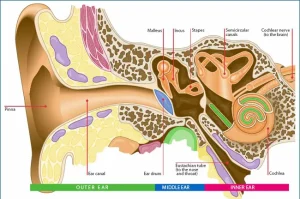
Hearing loss refers to a partial or complete inability to hear sounds in one or both ears. It can develop gradually over time or occur suddenly, depending on the underlying cause. Hearing loss affects people of all ages, from newborns to older adults, and can range from mild difficulty hearing soft sounds to total deafness.
The condition may interfere with communication, learning, work performance, and social interaction. Early identification and appropriate management can significantly improve quality of life and help prevent further deterioration.
Hearing loss is commonly classified based on where the problem occurs in the hearing pathway, such as the outer ear, middle ear, inner ear, or auditory nerve.
Symptoms
Symptoms of hearing loss vary depending on its type, severity, and cause. Some people may not notice the problem immediately, especially when hearing loss develops slowly.
Common symptoms include:
-
Difficulty understanding speech, especially in noisy environments
-
Frequently asking others to repeat themselves
-
Turning up the volume on televisions or devices
-
Muffled or distorted hearing
-
Trouble hearing high-pitched sounds
-
Ringing, buzzing, or roaring sounds in the ears
-
Withdrawal from conversations or social situations
In children, hearing loss may present as delayed speech development, poor academic performance, or lack of response to sounds.
Causes
Hearing loss can result from damage or dysfunction in any part of the ear or auditory system.
Common causes include:
-
Aging-related changes in the inner ear
-
Prolonged exposure to loud noise
-
Earwax buildup blocking the ear canal
-
Middle ear infections or fluid buildup
-
Damage to the inner ear structures or auditory nerve
-
Head injury or trauma
-
Certain medications that affect hearing
-
Congenital conditions present at birth
Sudden hearing loss may occur due to viral infections, circulatory problems, or unknown causes and requires prompt medical attention.
Risk factors
Several factors may increase the risk of developing hearing loss:
-
Advancing age
-
Long-term exposure to loud sounds at work or during leisure activities
-
Family history of hearing problems
-
Recurrent ear infections, especially in childhood
-
Chronic health conditions such as diabetes or cardiovascular disease
-
Use of medications known to damage hearing
-
Smoking or exposure to secondhand smoke
The presence of one or more risk factors can raise the likelihood of hearing impairment over time.
Complications
If left untreated, hearing loss can lead to physical, emotional, and social complications.
Possible complications include:
-
Communication difficulties and misunderstandings
-
Social isolation or withdrawal
-
Depression or anxiety
-
Cognitive decline, particularly in older adults
-
Delayed speech and language development in children
-
Reduced safety awareness, such as inability to hear alarms or traffic
Early diagnosis and appropriate intervention can help minimize these complications.
Prevention
Although not all types of hearing loss are preventable, certain measures can help protect hearing and reduce risk.
Preventive strategies include:
-
Avoiding or limiting exposure to loud noises
-
Using ear protection in noisy environments
-
Keeping personal audio devices at safe volume levels
-
Seeking prompt treatment for ear infections
-
Avoiding insertion of objects into the ear canal
-
Managing chronic health conditions effectively
-
Having regular hearing screenings, especially for high-risk individuals
Protecting hearing throughout life plays a key role in maintaining communication ability and overall well-being.
Request an appointment
Advertisement
