
Overview
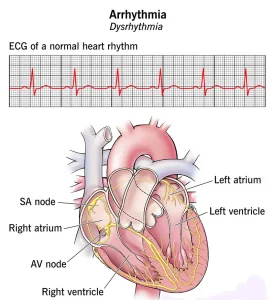
Heart arrhythmia is a condition in which the heart beats too fast, too slow, or with an irregular rhythm. It occurs when the electrical signals that coordinate heartbeats do not function properly. As a result, the heart may not pump blood efficiently to the body and brain.
Some heart arrhythmias are harmless and may not require treatment, while others can be serious or even life-threatening. Arrhythmias can occur occasionally or be persistent, and they may affect people of all ages. Early diagnosis is important to determine whether treatment or monitoring is needed.
Symptoms
Symptoms of heart arrhythmia vary depending on the type and severity. Some people may not notice any symptoms, while others experience significant discomfort.
Common symptoms include:
-
A fluttering, racing, or pounding sensation in the chest
-
Slow or irregular heartbeat
-
Shortness of breath
-
Dizziness or lightheadedness
-
Fatigue or weakness
-
Chest discomfort or pain
-
Fainting or near-fainting episodes
In severe cases, arrhythmias may lead to sudden cardiac arrest if not treated promptly.
Causes
Heart arrhythmias are caused by problems with the heart’s electrical system. Various conditions can interfere with normal electrical signaling.
Common causes include:
-
Coronary artery disease or heart attack
-
High blood pressure
-
Heart muscle disease or structural heart defects
-
Damage to the heart from surgery or injury
-
Electrolyte imbalances, such as abnormal potassium or sodium levels
-
Thyroid disorders
-
Excessive caffeine, alcohol, or drug use
-
Certain medications
-
Stress or extreme physical exertion
In some cases, the exact cause of an arrhythmia may not be identified.
Risk factors
Several factors can increase the risk of developing heart arrhythmia:
-
Increasing age
-
History of heart disease or heart surgery
-
High blood pressure
-
Diabetes or obesity
-
Smoking
-
Excessive alcohol or caffeine consumption
-
Family history of arrhythmias
-
Sleep apnea
-
Chronic stress or anxiety
The presence of multiple risk factors increases the likelihood of developing rhythm disturbances.
Complications
Untreated or poorly controlled heart arrhythmias can lead to serious complications.
Possible complications include:
-
Stroke due to blood clots forming in the heart
-
Heart failure from inefficient pumping
-
Sudden cardiac arrest
-
Frequent fainting or falls
-
Reduced quality of life due to ongoing symptoms
Timely diagnosis and appropriate management significantly reduce the risk of these complications.
Prevention
Not all heart arrhythmias can be prevented, but adopting heart-healthy habits can lower the risk.
Preventive measures include:
-
Managing blood pressure, cholesterol, and blood sugar levels
-
Following a balanced, heart-healthy diet
-
Engaging in regular physical activity as advised by a doctor
-
Avoiding smoking and limiting alcohol intake
-
Reducing caffeine and stimulant use
-
Managing stress through relaxation techniques
-
Taking medications exactly as prescribed
-
Undergoing regular medical checkups, especially for those with heart disease
Maintaining overall cardiovascular health plays a crucial role in reducing the risk of heart arrhythmias and related complications.
Advertisement
