
Overview
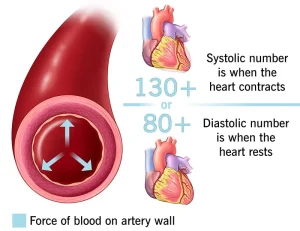
High Blood Pressure, also known as Hypertension, is a common medical condition in which the force of blood against the walls of the arteries remains consistently too high. Over time, this increased pressure can damage blood vessels and vital organs, including the heart, brain, kidneys, and eyes.
Blood pressure is measured using two numbers:
-
Systolic pressure: the top number, representing pressure when the heart beats
-
Diastolic pressure: the bottom number, representing pressure when the heart rests between beats
A normal blood pressure reading is typically around 120/80 mmHg. Hypertension is generally diagnosed when readings consistently measure 130/80 mmHg or higher.
Hypertension is often called the “silent killer” because it may not cause noticeable symptoms for years, yet it significantly increases the risk of serious health complications.
Symptoms
Most people with high blood pressure do not experience symptoms, even when blood pressure levels are dangerously high. However, in some cases, symptoms may occur, especially during severe hypertension.
Possible symptoms include:
-
Headaches
-
Dizziness
-
Shortness of breath
-
Chest pain
-
Blurred vision
-
Nosebleeds
-
Fatigue
-
Irregular heartbeat
Severely elevated blood pressure, known as a hypertensive crisis, can cause:
-
Severe headache
-
Confusion
-
Severe chest pain
-
Difficulty breathing
-
Nausea or vomiting
Immediate medical attention is required in such cases.
Causes
High blood pressure can develop gradually over many years. It is generally classified into two types:
Primary (essential) hypertension
This is the most common type and has no identifiable single cause. It develops slowly due to a combination of genetic and lifestyle factors.
Secondary hypertension
This type is caused by an underlying condition and tends to appear suddenly. Causes may include:
-
Kidney disease
-
Hormonal disorders such as thyroid problems or adrenal gland disorders
-
Certain medications
-
Sleep apnea
-
Congenital blood vessel abnormalities
Lifestyle factors such as high salt intake, lack of exercise, and chronic stress also contribute to elevated blood pressure.
Risk Factors
Several factors increase the risk of developing hypertension:
-
Increasing age
-
Family history of high blood pressure
-
Overweight or obesity
-
Physical inactivity
-
High-sodium diet
-
Excess alcohol consumption
-
Smoking
-
Chronic stress
-
Diabetes
-
High cholesterol
-
Chronic kidney disease
Hypertension is more common in adults, but it can also affect younger individuals, especially those with risk factors.
Complications
If left untreated, high blood pressure can lead to serious and potentially life-threatening complications.
These may include:
-
Heart attack
-
Stroke
-
Heart failure
-
Aneurysm
-
Kidney damage or failure
-
Vision loss
-
Peripheral artery disease
-
Cognitive decline or dementia
Long-term strain on blood vessels and organs increases the likelihood of permanent damage.
Prevention
High blood pressure can often be prevented or controlled through healthy lifestyle changes.
Preventive measures include:
-
Maintaining a healthy weight
-
Following a balanced, low-sodium diet such as the DASH diet
-
Engaging in regular physical activity
-
Limiting alcohol intake
-
Quitting smoking
-
Managing stress effectively
-
Monitoring blood pressure regularly
-
Controlling diabetes and cholesterol levels
Early detection through routine health checkups plays a key role in preventing complications. With proper management, most people with hypertension can lead healthy and active lives.
Advertisement
