
Overview
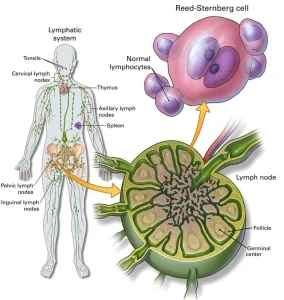
Hodgkin Lymphoma, also known as Hodgkin Disease, is a type of cancer that originates in the lymphatic system. The lymphatic system is part of the immune system and includes lymph nodes, spleen, bone marrow, and lymph vessels. This cancer develops when certain white blood cells called lymphocytes grow abnormally and form tumors in the lymph nodes.
A key feature of Hodgkin lymphoma is the presence of Reed-Sternberg cells, which are abnormal large lymphocytes seen under a microscope. The disease most commonly affects young adults and individuals over the age of 55.
Hodgkin lymphoma is considered one of the most treatable forms of cancer, especially when diagnosed early.
Symptoms
Symptoms of Hodgkin lymphoma often develop gradually.
Common symptoms include:
-
Painless swelling of lymph nodes in the neck, armpits, or groin
-
Persistent fatigue
-
Fever without infection
-
Night sweats
-
Unexplained weight loss
-
Itchy skin
-
Loss of appetite
-
Persistent cough or chest pain if lymph nodes in the chest are affected
The combination of fever, night sweats, and weight loss is often referred to as “B symptoms” and may indicate more advanced disease.
Causes
The exact cause of Hodgkin lymphoma is not fully understood. It occurs when lymphocytes develop genetic mutations that cause them to multiply uncontrollably and live longer than normal cells.
Researchers believe that a combination of genetic and environmental factors may contribute. Infection with the Epstein-Barr virus (EBV), which causes mononucleosis, has been linked to some cases.
The abnormal cells accumulate in lymph nodes and attract other immune cells, forming tumors.
Risk Factors
Several factors may increase the risk of developing Hodgkin lymphoma:
-
Age between 15 and 35 years or over 55 years
-
Male gender
-
Family history of lymphoma
-
Previous infection with Epstein-Barr virus
-
Weakened immune system
-
HIV infection
-
Organ transplantation requiring immunosuppressive therapy
Although these factors increase risk, many people diagnosed with Hodgkin lymphoma have no identifiable risk factors.
Complications
If untreated or advanced, Hodgkin lymphoma can cause serious complications.
Possible complications include:
-
Spread of cancer to other organs
-
Increased risk of infections
-
Infertility related to treatment
-
Secondary cancers after chemotherapy or radiation
-
Heart or lung problems from treatment
-
Thyroid dysfunction
Long-term follow-up care is important to monitor for treatment-related effects.
Prevention
There is no proven way to prevent Hodgkin lymphoma. However, maintaining a healthy immune system may reduce risk.
Preventive considerations include:
-
Avoiding behaviors that increase the risk of HIV infection
-
Seeking prompt treatment for immune-related conditions
-
Regular medical checkups if there is a family history of lymphoma
Early diagnosis significantly improves treatment success rates. Anyone experiencing persistent swollen lymph nodes or unexplained systemic symptoms should seek medical evaluation.
Advertisement
