
Overview
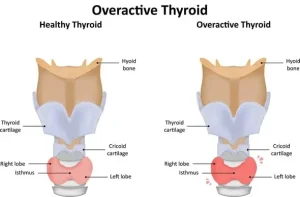
Hyperthyroidism, also known as overactive thyroid, is a condition in which the thyroid gland produces too much thyroid hormone. The thyroid is a small, butterfly-shaped gland located at the front of the neck. Thyroid hormones play a key role in controlling metabolism, heart rate, body temperature, and energy levels.
When thyroid hormone levels are too high, the body’s functions speed up. This can affect many organs and systems, leading to a wide range of symptoms. Hyperthyroidism can develop gradually or suddenly and may vary in severity.
With proper diagnosis and treatment, hyperthyroidism is usually manageable, and complications can often be prevented.
Symptoms
Symptoms of hyperthyroidism can differ from person to person and often develop over time. Some symptoms may be mild at first and become more noticeable as hormone levels rise.
Common symptoms include:
-
Unintentional weight loss despite normal or increased appetite
-
Rapid or irregular heartbeat
-
Nervousness, anxiety, or irritability
-
Tremors in the hands or fingers
-
Increased sweating
-
Heat intolerance
-
Fatigue or muscle weakness
-
Difficulty sleeping
-
Frequent bowel movements
-
Changes in menstrual patterns
In older adults, symptoms may be less obvious and can include fatigue, weight loss, or heart rhythm problems.
Causes
Hyperthyroidism occurs when the thyroid gland becomes overactive. Several conditions can lead to this imbalance.
Common causes include:
-
Graves’ disease, an autoimmune disorder and the most common cause
-
Thyroid nodules that produce excess thyroid hormone
-
Thyroiditis, which causes inflammation and leakage of stored thyroid hormone
-
Excessive intake of thyroid hormone medication
-
High iodine intake from medications or contrast dyes
The underlying cause determines the course of the condition and influences treatment options.
Risk factors
Certain factors increase the likelihood of developing hyperthyroidism.
Risk factors include:
-
Family history of thyroid disease
-
Being female
-
Autoimmune conditions
-
Pregnancy or recent childbirth
-
Excessive iodine intake
-
Use of certain medications that affect thyroid function
People with these risk factors may benefit from regular thyroid function testing.
Complications
If left untreated, hyperthyroidism can lead to serious health problems affecting multiple organs.
Possible complications include:
-
Heart rhythm disorders such as atrial fibrillation
-
Congestive heart failure
-
Bone thinning and osteoporosis
-
Eye problems, especially in Graves’ disease
-
Thyroid storm, a rare but life-threatening condition
-
Muscle weakness and wasting
Early treatment significantly reduces the risk of long-term complications.
Prevention
Hyperthyroidism cannot always be prevented, especially when caused by autoimmune disease. However, steps can be taken to reduce complications and support early detection.
Preventive measures may include:
-
Regular medical checkups if there is a family history of thyroid disease
-
Avoiding excessive iodine intake unless prescribed
-
Taking thyroid medications exactly as directed
-
Monitoring thyroid levels during and after pregnancy
-
Seeking medical evaluation for unexplained weight loss, palpitations, or nervousness
Prompt diagnosis and proper treatment are essential for maintaining hormone balance and protecting overall health.
Advertisement
