
Overview
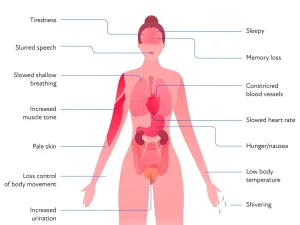
Hypothermia is a medical emergency that occurs when the body loses heat faster than it can produce it, causing a dangerously low body temperature. It is typically defined as a core body temperature below 35°C. Hypothermia can impair brain function and vital organs, making it difficult for the body to function normally, and can be life-threatening if not treated promptly.
Symptoms
Symptoms of hypothermia vary depending on how low the body temperature drops and may worsen gradually.
Common symptoms include:
-
Intense shivering in early stages
-
Cold, pale, or bluish skin
-
Slurred speech
-
Slow, shallow breathing
-
Weak pulse
-
Clumsiness or lack of coordination
-
Confusion or memory problems
-
Extreme fatigue or drowsiness
-
Loss of consciousness in severe cases
Causes
Hypothermia occurs when the body is exposed to cold conditions for a prolonged period or loses heat rapidly.
Common causes include:
-
Exposure to cold weather without adequate clothing
-
Immersion in cold water
-
Staying in cold indoor environments without heating
-
Wet clothing combined with cold temperatures
-
Wind exposure increasing heat loss
-
Prolonged inactivity in cold conditions
Risk Factors
Certain individuals are more vulnerable to developing hypothermia.
Risk factors include:
-
Older adults and infants
-
Homelessness or poor shelter
-
Alcohol or drug use
-
Malnutrition or dehydration
-
Chronic medical conditions
-
Certain medications affecting body temperature regulation
-
Outdoor workers or winter sports participants
Complications
If hypothermia is not treated promptly, it can lead to serious complications.
Possible complications include:
-
Heart rhythm disturbances
-
Respiratory failure
-
Organ failure
-
Frostbite
-
Increased risk of infections
-
Death in severe cases
Prevention
Hypothermia is largely preventable with appropriate precautions in cold environments.
Preventive measures include:
-
Wearing warm, layered, and dry clothing
-
Protecting the head, hands, and feet from cold
-
Staying dry and changing wet clothes promptly
-
Limiting exposure to cold and wind
-
Maintaining adequate nutrition and hydration
-
Avoiding alcohol in cold environments
-
Ensuring proper heating in living spaces
If you want, I can also provide first-aid steps, early warning signs, or recovery guidance in the same SEO-friendly, WordPress- and ACF-ready format.
Request an appointment
Advertisement
