
Overview
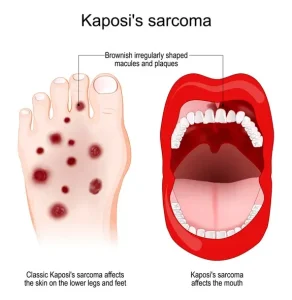
Kaposi sarcoma is a rare type of cancer that develops from the cells lining blood vessels and lymphatic vessels. It most commonly appears as painless purple, red, or brown patches or nodules on the skin, but it can also affect internal organs such as the lungs, gastrointestinal tract, and lymph nodes. Kaposi sarcoma is closely associated with infection by human herpesvirus 8 (HHV-8) and is more frequently seen in individuals with weakened immune systems, including those living with HIV/AIDS or those receiving immunosuppressive therapy after organ transplantation.
Symptoms of Kaposi Sarcoma
Symptoms vary depending on the organs involved and the stage of the disease. Some individuals may have minimal symptoms in the early stages.
Common symptoms include:
-
Purple, red, or brown spots or raised lesions on the skin or inside the mouth
-
Swelling of the legs, face, or genitals due to lymphatic blockage
-
Lesions on the gums, tongue, or roof of the mouth
-
Shortness of breath or cough if the lungs are involved
-
Abdominal pain, nausea, or bleeding when the digestive tract is affected
-
Unexplained weight loss or fatigue in advanced cases
Causes of Kaposi Sarcoma
Kaposi sarcoma is caused by infection with human herpesvirus 8, also known as Kaposi sarcoma–associated herpesvirus. Infection with this virus alone does not always lead to cancer. The disease typically develops when the immune system is weakened and unable to control the virus.
Conditions that can allow the disease to develop include:
-
HIV infection leading to immune suppression
-
Long-term use of immunosuppressive medications
-
Certain inherited or acquired immune deficiencies
Risk Factors for Kaposi Sarcoma
Several factors increase the likelihood of developing Kaposi sarcoma, mainly those that impair immune function.
Key risk factors include:
-
HIV/AIDS, especially when untreated
-
Organ transplantation with prolonged immunosuppressive therapy
-
Infection with human herpesvirus 8
-
Older age in certain geographic regions
-
Male sex, as the disease is more common in men
-
Living in or originating from regions where HHV-8 is more prevalent
Complications of Kaposi Sarcoma
If left untreated, Kaposi sarcoma can lead to serious complications depending on the extent of disease involvement.
Possible complications include:
-
Progressive enlargement and spread of skin lesions
-
Bleeding or obstruction in the gastrointestinal tract
-
Respiratory failure due to lung involvement
-
Lymphedema causing chronic swelling and discomfort
-
Secondary infections due to immune system compromise
Prevention of Kaposi Sarcoma
Preventing Kaposi sarcoma focuses on reducing exposure to HHV-8 and maintaining a healthy immune system.
Preventive measures include:
-
Early diagnosis and effective treatment of HIV to maintain immune function
-
Adherence to antiretroviral therapy for people living with HIV
-
Careful monitoring and adjustment of immunosuppressive medications after organ transplantation
-
Practicing safe sex to reduce the risk of viral transmission
-
Regular medical follow-up for individuals at high risk
Advertisement
