
Overview
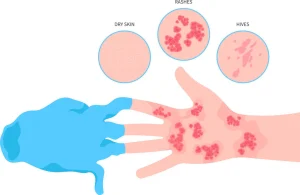
Latex allergy is a reaction to natural rubber latex, a substance made from the sap of rubber trees. Latex is commonly used in medical gloves, balloons, condoms, bandages, and many household products. In people with latex allergy, the immune system mistakenly identifies latex proteins as harmful and triggers an allergic response.
Reactions can range from mild skin irritation to severe, life-threatening allergic reactions. Latex allergy is more common in people who are frequently exposed to latex products, especially in healthcare and medical settings.
Symptoms
Latex allergy symptoms vary depending on the level of sensitivity and the type of exposure. Symptoms may appear within minutes or develop gradually.
Common symptoms include:
-
Itchy or irritated skin
-
Redness or swelling where latex touched the skin
-
Hives or rash
-
Sneezing or runny nose
-
Itchy, watery eyes
More severe symptoms may include:
-
Chest tightness or wheezing
-
Difficulty breathing
-
Swelling of the lips, tongue, or throat
-
Rapid heartbeat
-
Dizziness or fainting
Severe reactions require immediate medical attention.
Causes
Latex allergy develops when the immune system becomes sensitive to proteins found in natural rubber latex. Repeated exposure increases the likelihood of developing an allergy.
Common sources of exposure include:
-
Medical or dental gloves
-
Catheters and blood pressure cuffs
-
Balloons
-
Condoms and diaphragms
-
Rubber bands and adhesive tapes
-
Some clothing elastic and footwear
Latex particles can also become airborne, especially from powdered latex gloves, leading to inhalation reactions.
Risk factors
Certain individuals have a higher risk of developing a latex allergy:
-
Healthcare workers or caregivers
-
People with frequent surgeries or medical procedures
-
Individuals with spina bifida
-
Workers in the rubber manufacturing industry
-
People with allergies to foods such as bananas, avocados, kiwis, or chestnuts
-
History of other allergies or asthma
Early and repeated exposure increases sensitization risk.
Complications
If not recognized or managed, latex allergy can lead to serious complications.
Possible complications include:
-
Anaphylaxis, a severe and potentially fatal allergic reaction
-
Chronic skin inflammation
-
Anxiety related to accidental exposure
-
Increased risk during medical or surgical procedures
Prompt diagnosis and avoidance are critical to prevent severe outcomes.
Prevention
Latex allergy can often be prevented or managed by minimizing exposure and using alternatives.
Preventive measures include:
-
Using latex-free gloves and medical supplies
-
Informing healthcare providers about the allergy
-
Wearing a medical alert bracelet
-
Avoiding products that contain natural rubber latex
-
Being cautious in environments where latex balloons are used
-
Using non-latex condoms and personal care products
Awareness and proper precautions help reduce the risk of allergic reactions and improve quality of life for people with latex allergy.
Advertisement
