
Overview
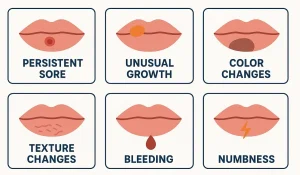
Lip cancer is a type of oral cancer that develops on the lips, most often on the lower lip. It usually begins as a small sore, lump, or discolored patch that does not heal over time. Lip cancer is commonly classified as a type of squamous cell carcinoma, which arises from the thin, flat cells lining the lips.
Because the lips are easily visible, lip cancer is often detected earlier than other oral cancers. Early diagnosis and treatment greatly improve outcomes. The condition is strongly linked to sun exposure and tobacco use.
Symptoms
Early signs of lip cancer may be painless and easy to ignore. Symptoms tend to become more noticeable as the cancer grows.
Common symptoms include:
-
A sore on the lip that does not heal
-
A lump, thickening, or swelling on the lip
-
White, red, or dark-colored patches on the lips
-
Pain, tenderness, or numbness of the lips or mouth
-
Bleeding or crusting on the lip
-
Difficulty speaking, eating, or moving the lips in advanced cases
-
Swelling of the jaw or neck if lymph nodes are involved
Any lip lesion that lasts longer than two weeks should be medically evaluated.
Causes
Lip cancer develops when cells on the lip undergo abnormal changes and begin to grow uncontrollably. These changes are often triggered by long-term damage to the cells.
Common causes include:
-
Prolonged exposure to ultraviolet radiation from the sun
-
Use of tobacco products, including cigarettes, cigars, pipes, and chewing tobacco
-
Excessive alcohol consumption
-
Infection with human papillomavirus in some cases
-
Weakened immune system
Sun-related damage is a major cause, especially for cancers of the lower lip.
Risk factors
Several factors increase the risk of developing lip cancer:
-
Frequent or long-term sun exposure
-
Fair skin that burns easily
-
Tobacco use in any form
-
Heavy alcohol use
-
Older age
-
Male sex
-
History of oral or skin cancer
-
Poor nutrition or weakened immune function
People with multiple risk factors have a significantly higher likelihood of developing lip cancer.
Complications
If not treated early, lip cancer can spread and cause serious complications.
Possible complications include:
-
Spread of cancer to nearby tissues or lymph nodes
-
Facial disfigurement due to tumor growth or surgery
-
Difficulty with speech, eating, or swallowing
-
Increased risk of recurrence after treatment
-
Emotional and psychological distress
Early treatment helps reduce the risk of these outcomes.
Prevention
Many cases of lip cancer can be prevented by reducing exposure to known risk factors.
Preventive measures include:
-
Using lip balms with sun protection
-
Wearing wide-brimmed hats to shield the face from the sun
-
Avoiding tobacco products
-
Limiting alcohol intake
-
Maintaining good oral hygiene
-
Having regular dental and medical checkups
-
Seeking prompt evaluation for any persistent lip sore or lesion
Protecting the lips from sun damage and avoiding tobacco are the most effective ways to lower the risk of lip cancer.
Advertisement
