
Overview
Liver disease refers to a broad range of conditions that damage the liver and affect its ability to function properly. The liver plays a vital role in digestion, detoxification, metabolism, and blood clotting. Liver disease may be acute or chronic and can progress silently for years before symptoms appear.
Common forms of liver disease include fatty liver disease, hepatitis, alcoholic liver disease, and cirrhosis. Early identification and management are important to prevent long-term complications.
Symptoms
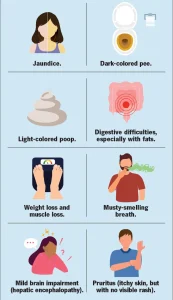
Symptoms of liver disease vary depending on the cause and stage. In early stages, many people have no noticeable symptoms.
Common symptoms include:
-
Fatigue and weakness
-
Loss of appetite
-
Nausea or vomiting
-
Abdominal pain or discomfort, especially on the upper right side
-
Yellowing of the skin and eyes, known as jaundice
-
Dark urine and pale stools
-
Swelling in the legs or abdomen
-
Easy bruising or bleeding
-
Itchy skin
-
Confusion or difficulty concentrating in advanced stages
Symptoms often worsen as liver damage progresses.
Causes
Liver disease can develop from many different factors that injure liver cells or interfere with liver function.
Common causes include:
-
Viral infections such as hepatitis A, B, and C
-
Excessive alcohol consumption
-
Nonalcoholic fatty liver disease related to obesity and insulin resistance
-
Long-term use of certain medications or exposure to toxins
-
Autoimmune conditions that attack liver tissue
-
Genetic or inherited liver disorders
-
Bile duct diseases that block bile flow
Chronic inflammation and repeated liver injury can lead to permanent scarring.
Risk factors
Certain factors increase the likelihood of developing liver disease:
-
Heavy or long-term alcohol use
-
Obesity and poor diet
-
Diabetes and metabolic syndrome
-
Exposure to blood-borne infections
-
Family history of liver disease
-
Use of injectable drugs
-
Long-term medication use without medical supervision
The presence of multiple risk factors increases the risk of severe liver damage.
Complications
Untreated liver disease can lead to serious and life-threatening complications.
Possible complications include:
-
Liver cirrhosis
-
Liver failure
-
Portal hypertension
-
Ascites, which is fluid buildup in the abdomen
-
Internal bleeding
-
Hepatic encephalopathy, causing confusion and altered mental state
-
Increased risk of liver cancer
Complications are more common in advanced or untreated disease.
Prevention
Many types of liver disease can be prevented or slowed with healthy lifestyle choices and early medical care.
Preventive measures include:
-
Limiting or avoiding alcohol intake
-
Maintaining a healthy weight
-
Eating a balanced diet and exercising regularly
-
Getting vaccinated against hepatitis A and B
-
Practicing safe sex and avoiding needle sharing
-
Using medications only as prescribed
-
Attending regular health checkups and liver screenings if at risk
Protecting liver health through prevention and early treatment can significantly reduce the risk of long-term liver damage and improve overall well-being.
Advertisement
