
Overview
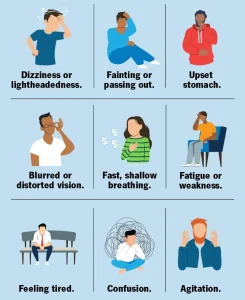
Low blood pressure, also known as hypotension, occurs when blood pressure levels drop below normal, typically less than 90/60 mmHg. While low blood pressure can be normal for some individuals and may not cause symptoms, it can sometimes lead to inadequate blood flow to vital organs. When symptomatic, hypotension may cause dizziness, fainting, or shock in severe cases.
Symptoms
Symptoms of low blood pressure may vary depending on how quickly the blood pressure drops and the underlying cause:
-
Dizziness or lightheadedness
-
Fainting
-
Blurred vision
-
Nausea
-
Fatigue
-
Lack of concentration
-
Cold, clammy, or pale skin in severe cases
-
Rapid, shallow breathing during shock
Some people may have low readings without noticeable symptoms.
Causes
Low blood pressure can result from a variety of conditions affecting heart function, blood volume, or blood vessel tone:
-
Dehydration
-
Blood loss
-
Heart conditions such as slow heart rate or heart failure
-
Severe infection
-
Hormonal disorders such as adrenal insufficiency
-
Certain medications including blood pressure drugs or antidepressants
-
Prolonged bed rest
Sudden drops in blood pressure when standing are known as orthostatic hypotension.
Risk Factors
Factors that increase the risk of low blood pressure include:
-
Older age
-
Pregnancy
-
Diabetes
-
Heart disease
-
Use of certain medications
-
Nutritional deficiencies
These factors may affect the body’s ability to regulate blood pressure effectively.
Complications
Although mild hypotension may not cause harm, severe or prolonged low blood pressure can lead to:
-
Falls and injuries from fainting
-
Shock
-
Organ damage due to reduced blood flow
-
Cognitive difficulties
Prompt medical evaluation is important if symptoms are severe or persistent.
Prevention
Low blood pressure may not always be preventable, but certain strategies can reduce the risk of symptoms:
-
Staying well hydrated
-
Rising slowly from sitting or lying positions
-
Eating small, balanced meals
-
Avoiding prolonged standing
-
Managing underlying medical conditions
-
Reviewing medications with a healthcare provider
Regular monitoring and early treatment of underlying causes help maintain stable blood pressure levels.
Advertisement
