
Overview
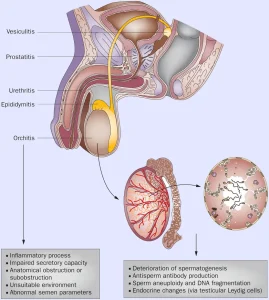
Male infertility refers to a man’s inability to cause pregnancy in a fertile female partner after regular, unprotected sexual intercourse. It is usually related to problems with sperm production, sperm function or sperm delivery. Male infertility can occur at any age and may result from medical conditions, lifestyle factors, environmental exposures or genetic issues. In many cases, the exact cause may not be immediately clear, but proper evaluation can identify contributing factors and guide treatment options.
Male infertility is a common health concern and contributes to infertility in a significant number of couples. Advances in diagnosis and treatment have made it possible for many men with fertility issues to successfully father children.
Symptoms
Male infertility often has no obvious signs or symptoms other than difficulty conceiving a child. However, some men may experience symptoms related to an underlying condition.
Possible symptoms include:
-
Problems with sexual function, such as difficulty with ejaculation or maintaining an erection
-
Low sex drive
-
Pain, swelling or a lump in the testicle area
-
Reduced facial or body hair
-
Decreased muscle mass
-
Recurrent respiratory infections, which may suggest a genetic condition affecting sperm movement
In many cases, infertility is only discovered after a couple is unable to conceive despite regular attempts.
Causes
Male infertility can be caused by a wide range of factors that affect sperm production, sperm quality or the transport of sperm.
Common causes include:
-
Abnormal sperm production due to genetic conditions, hormonal imbalances or testicular damage
-
Varicocele, which is an enlargement of veins within the scrotum
-
Infections that interfere with sperm production or block sperm passage
-
Ejaculation disorders, including retrograde ejaculation
-
Hormonal disorders involving testosterone or other reproductive hormones
-
Blockages in the reproductive tract that prevent sperm delivery
-
Exposure to toxins, radiation or heavy metals
-
Certain medications, including chemotherapy drugs
Lifestyle factors such as smoking, excessive alcohol use, drug use and prolonged heat exposure to the testicles can also affect fertility.
Risk factors
Several factors may increase the risk of male infertility, including:
-
Smoking tobacco
-
Excessive alcohol consumption
-
Use of recreational drugs
-
Obesity
-
Older age
-
Exposure to environmental toxins
-
Frequent use of hot tubs or saunas
-
History of testicular injury, surgery or infection
-
Chronic medical conditions such as diabetes or hormonal disorders
Complications
Male infertility can lead to physical, emotional and psychological complications, such as:
-
Stress, anxiety or depression related to difficulty conceiving
-
Relationship strain between partners
-
Reduced self-esteem
-
Financial burden related to fertility treatments
-
Inability to conceive without medical assistance
Addressing both the medical and emotional aspects of infertility is an important part of care.
Prevention
Not all causes of male infertility can be prevented, especially those related to genetics. However, certain steps may help reduce the risk:
-
Avoid smoking, recreational drugs and excessive alcohol use
-
Maintain a healthy weight through balanced diet and regular exercise
-
Limit exposure to heat sources affecting the testicles
-
Use protective gear during sports to prevent testicular injury
-
Reduce exposure to harmful chemicals and toxins
-
Seek early medical evaluation for reproductive or hormonal symptoms
Healthy lifestyle choices and early medical care can improve overall reproductive health and fertility outcomes.
Advertisement
