
Overview
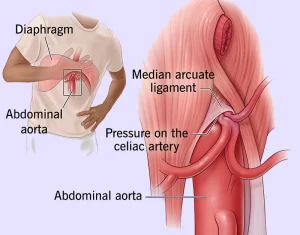
Median Arcuate Ligament Syndrome is a rare condition in which the median arcuate ligament, a fibrous band of the diaphragm, compresses the celiac artery and nearby nerves. This compression can reduce blood flow to the upper abdominal organs and irritate surrounding nerves, leading to chronic abdominal symptoms. MALS most commonly affects young to middle-aged adults and is more frequently diagnosed in women.
Symptoms can be long-standing and are often misattributed to other gastrointestinal conditions, making diagnosis challenging.
Symptoms
Symptoms may vary in severity and often worsen after eating or physical activity.
Common symptoms include:
-
Chronic upper abdominal pain, especially after meals
-
Nausea and vomiting
-
Loss of appetite
-
Unintended weight loss
-
Bloating or early fullness
-
Diarrhea in some cases
-
Fatigue related to poor nutrition
Pain is often described as burning, cramping, or aching and may improve when leaning forward or curling the body.
Causes
Median Arcuate Ligament Syndrome occurs due to abnormal positioning or tightness of the median arcuate ligament.
Key causes include:
-
Compression of the celiac artery by the median arcuate ligament
-
Irritation or compression of the celiac nerve plexus
-
Anatomical variations in diaphragm or vascular structure
The degree of artery compression can change with breathing, often worsening during exhalation.
Risk factors
Several factors may increase the likelihood of developing this condition.
Risk factors include:
-
Female sex
-
Young to middle adulthood
-
Thin body build
-
Anatomical variations of the diaphragm or celiac artery
-
History of unexplained chronic abdominal pain
There is no clear genetic cause, but anatomical predisposition plays a significant role.
Complications
If left untreated, Median Arcuate Ligament Syndrome can lead to ongoing health issues.
Possible complications include:
-
Chronic malnutrition due to fear of eating
-
Significant weight loss
-
Reduced quality of life
-
Anxiety or depression related to persistent pain
-
Delayed diagnosis and unnecessary treatments
In severe cases, prolonged reduced blood flow may affect digestive organ function.
Prevention
There is no known way to completely prevent Median Arcuate Ligament Syndrome, as it is related to anatomical structure.
Helpful preventive and supportive measures include:
-
Early evaluation of persistent, unexplained upper abdominal pain
-
Regular medical follow-up for chronic gastrointestinal symptoms
-
Maintaining adequate nutrition under medical guidance
-
Avoiding delays in specialist referral when symptoms persist
Early recognition and appropriate management can significantly improve symptoms and overall quality of life.
Advertisement
