
Overview
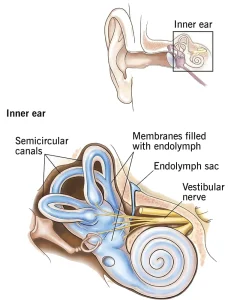
Meniere’s disease is a chronic disorder of the inner ear that affects balance and hearing. It is characterized by recurring episodes of vertigo, hearing loss, tinnitus, and a sensation of fullness in the affected ear. The condition usually affects only one ear, especially in the early stages, but can involve both ears over time.
Meniere’s disease is unpredictable and varies widely in severity. While it is not life-threatening, it can significantly impact daily activities, emotional well-being, and quality of life.
Symptoms
Symptoms of Meniere’s disease often occur in episodes that may last from minutes to several hours. The frequency and intensity of attacks can vary.
Common symptoms include:
-
Recurrent episodes of vertigo with a spinning sensation
-
Nausea and vomiting during vertigo attacks
-
Fluctuating hearing loss, usually affecting low frequencies
-
Ringing, buzzing, or roaring sounds in the ear
-
A feeling of pressure or fullness in the ear
-
Balance problems or unsteadiness between attacks
Over time, hearing loss may become permanent in the affected ear.
Causes
The exact cause of Meniere’s disease is not fully understood. It is believed to result from abnormal fluid buildup in the inner ear, which interferes with normal hearing and balance signals.
Factors that may contribute include:
-
Improper fluid drainage due to blockage or anatomical differences
-
Viral infections affecting the inner ear
-
Allergic reactions
-
Autoimmune responses
-
Genetic predisposition
-
Abnormal blood vessel function
In many cases, no single cause can be identified.
Risk Factors
Meniere’s disease can affect people of any age but is most commonly diagnosed in adults between 20 and 60 years.
Risk factors may include:
-
Family history of Meniere’s disease
-
History of inner ear infections
-
Migraines
-
Autoimmune disorders
-
Chronic stress
Lifestyle and environmental factors may influence symptom severity but are not proven causes.
Complications
Although Meniere’s disease is not fatal, it can lead to long-term physical and emotional complications.
Possible complications include:
-
Permanent hearing loss in the affected ear
-
Increased risk of falls due to sudden vertigo attacks
-
Anxiety or depression related to unpredictable symptoms
-
Reduced ability to work or perform daily activities
-
Chronic balance difficulties
Early management can help reduce the impact of these complications.
Prevention
There is no known way to prevent Meniere’s disease, as its exact cause remains unclear. However, certain strategies may help reduce the frequency or severity of symptoms.
General recommendations include:
-
Limiting salt intake to help reduce inner ear fluid buildup
-
Avoiding caffeine, alcohol, and nicotine
-
Managing stress through relaxation techniques
-
Staying well hydrated
-
Seeking early medical care for persistent ear or balance symptoms
Ongoing medical care and lifestyle adjustments play an important role in long-term symptom control and quality of life.
Advertisement
