
Overview
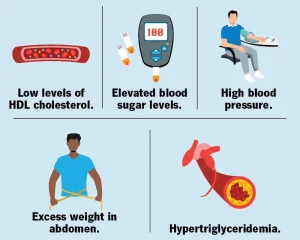
Metabolic syndrome is a group of interrelated health conditions that occur together and significantly increase the risk of heart disease, stroke, and type 2 diabetes. It is diagnosed when a person has a combination of factors such as increased waist circumference, high blood pressure, elevated blood sugar levels, and abnormal cholesterol or triglyceride levels.
Metabolic syndrome is closely linked to insulin resistance and is becoming increasingly common due to sedentary lifestyles, unhealthy diets, and rising obesity rates. Early identification and lifestyle changes can greatly reduce the risk of long-term complications.
Symptoms
Metabolic syndrome often does not cause noticeable symptoms on its own. Many people are unaware they have the condition until routine health screenings reveal abnormal measurements.
When present, possible signs and associated symptoms include:
-
Increased waist size or abdominal obesity
-
High blood pressure readings
-
Elevated blood sugar levels
-
Fatigue or low energy
-
Increased thirst or frequent urination in people with high blood sugar
-
Darkened skin patches, especially around the neck or armpits, indicating insulin resistance
Symptoms usually relate to the individual components rather than the syndrome itself.
Causes
Metabolic syndrome develops due to a combination of genetic, metabolic, and lifestyle-related factors that affect how the body processes energy.
Common underlying causes include:
-
Insulin resistance, where the body does not respond effectively to insulin
-
Excess body fat, particularly around the abdomen
-
Physical inactivity
-
Poor dietary habits high in sugar, salt, and unhealthy fats
-
Hormonal and metabolic imbalances
These factors work together to disrupt normal blood sugar, lipid, and blood pressure regulation.
Risk Factors
Several factors increase the likelihood of developing metabolic syndrome.
Major risk factors include:
-
Overweight or obesity
-
Sedentary lifestyle
-
Advancing age
-
Family history of type 2 diabetes or heart disease
-
High blood pressure or abnormal cholesterol levels
-
Polycystic ovary syndrome
-
History of gestational diabetes
Certain ethnic groups may have a higher risk due to genetic and metabolic differences.
Complications
If left untreated, metabolic syndrome can lead to serious and potentially life-threatening complications.
Possible complications include:
-
Type 2 diabetes
-
Heart disease and heart attacks
-
Stroke
-
Fatty liver disease
-
Chronic kidney disease
-
Increased risk of blood clots
The presence of multiple risk factors together greatly amplifies the overall health risk.
Prevention
Metabolic syndrome can often be prevented or reversed with healthy lifestyle changes.
Effective preventive measures include:
-
Maintaining a healthy body weight
-
Eating a balanced diet rich in fruits, vegetables, whole grains, and lean proteins
-
Reducing intake of sugary foods, refined carbohydrates, and saturated fats
-
Engaging in regular physical activity
-
Managing stress effectively
-
Avoiding smoking and limiting alcohol consumption
-
Monitoring blood pressure, blood sugar, and cholesterol levels regularly
Early lifestyle intervention remains the most effective strategy for preventing metabolic syndrome and its long-term complications.
Advertisement
