
Overview
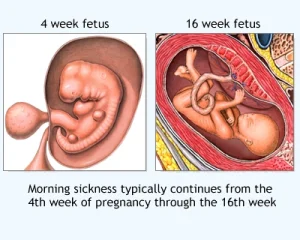
Morning sickness is a common pregnancy-related condition characterized by nausea and, in some cases, vomiting. It most often occurs during the first trimester but can happen at any time of the day, not just in the morning. The severity varies widely, ranging from mild nausea to frequent vomiting that interferes with daily activities.
Morning sickness is generally considered a normal part of early pregnancy and usually improves on its own as pregnancy progresses. Most individuals experience symptom relief by the end of the first trimester or early second trimester.
Symptoms
Symptoms of morning sickness can differ from person to person and may change in intensity over time.
Common symptoms include:
-
Nausea, with or without vomiting
-
Increased sensitivity to smells
-
Loss of appetite
-
Food aversions
-
Excess saliva production
-
Fatigue associated with nausea
In most cases, symptoms are mild to moderate and do not cause long-term problems.
Causes
The exact cause of morning sickness is not fully understood, but it is believed to be related to hormonal and physical changes during pregnancy.
Possible contributing factors include:
-
Rising levels of pregnancy-related hormones
-
Changes in blood sugar levels
-
Heightened sense of smell
-
Increased sensitivity of the digestive system
-
Emotional stress or fatigue
These changes are a normal part of early pregnancy development.
Risk Factors
Certain factors may increase the likelihood or severity of morning sickness.
Known risk factors include:
-
First-time pregnancy
-
Multiple pregnancies, such as twins or triplets
-
History of nausea during previous pregnancies
-
Motion sickness or migraines
-
Increased sensitivity to odors
Having one or more risk factors does not guarantee severe symptoms.
Complications
Most cases of morning sickness do not lead to complications. However, severe and persistent symptoms may require medical attention.
Potential complications include:
-
Dehydration
-
Nutritional deficiencies
-
Weight loss
-
Fatigue affecting daily functioning
Severe forms may require treatment to protect both maternal and fetal health.
Prevention
Morning sickness cannot always be prevented, but certain measures may help reduce symptom severity and improve comfort.
Helpful strategies include:
-
Eating small, frequent meals
-
Avoiding foods and smells that trigger nausea
-
Staying hydrated with small sips of fluids
-
Getting adequate rest
-
Eating bland foods when nausea is present
-
Taking prenatal vitamins as advised by a healthcare provider
If symptoms become severe or persistent, seeking medical advice is important to ensure appropriate care during pregnancy.
Advertisement
