
Overview
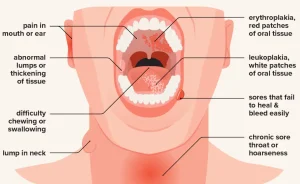
Mouth cancer, also known as oral cancer, is a type of cancer that develops in the tissues of the mouth or oral cavity. It can affect the lips, tongue, gums, inner cheeks, floor of the mouth, and the roof of the mouth. Mouth cancer is most often a form of squamous cell carcinoma, which begins in the thin, flat cells lining the mouth.
Early detection plays a crucial role in successful treatment. When identified in its initial stages, mouth cancer is often highly treatable with better long-term outcomes.
Symptoms
Symptoms of mouth cancer may develop gradually and can be mistaken for common mouth problems in the early stages.
Common symptoms include:
-
A sore in the mouth that does not heal
-
Persistent mouth pain or discomfort
-
White or red patches inside the mouth
-
A lump or thickening in the cheek
-
Difficulty chewing or swallowing
-
Numbness of the tongue or other areas of the mouth
-
Loose teeth without an obvious cause
-
Changes in speech or voice
Symptoms that persist for more than two weeks should be evaluated by a healthcare professional.
Causes
Mouth cancer develops when cells in the oral cavity undergo abnormal changes and begin to grow uncontrollably. These changes are often triggered by long-term exposure to harmful substances.
Common causes include:
-
Tobacco use in any form
-
Excessive alcohol consumption
-
Combined use of tobacco and alcohol
-
Prolonged sun exposure to the lips
-
Infection with certain strains of human papillomavirus
-
Poor oral hygiene and chronic irritation
Not everyone with these risk factors will develop mouth cancer, but they significantly increase the risk.
Risk Factors
Several factors increase the likelihood of developing mouth cancer.
Key risk factors include:
-
Smoking or chewing tobacco
-
Heavy alcohol use
-
Age over 40 years
-
Male sex
-
Family history of cancer
-
Weakened immune system
-
Poor diet low in fruits and vegetables
The risk increases further when multiple risk factors are present together.
Complications
If not diagnosed and treated early, mouth cancer can lead to serious complications affecting overall health and daily functioning.
Possible complications include:
-
Spread of cancer to nearby tissues or lymph nodes
-
Difficulty speaking, chewing, or swallowing
-
Facial disfigurement after advanced disease or surgery
-
Chronic pain
-
Nutritional deficiencies
-
Reduced quality of life
Early treatment helps reduce the likelihood of severe complications.
Prevention
While not all cases of mouth cancer can be prevented, certain lifestyle choices can significantly reduce risk.
Preventive measures include:
-
Avoiding tobacco products
-
Limiting alcohol intake
-
Eating a balanced diet rich in fruits and vegetables
-
Protecting lips from excessive sun exposure
-
Maintaining good oral hygiene
-
Having regular dental checkups
-
Seeking early evaluation for persistent mouth sores or changes
Awareness of early symptoms and regular oral examinations are key steps in reducing the impact of mouth cancer.
Request an appointment
Advertisement
