
Overview
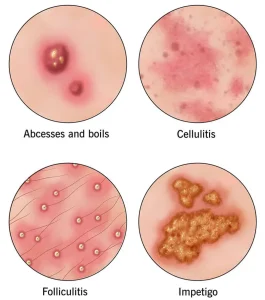
MRSA infection is caused by methicillin-resistant Staphylococcus aureus, a type of bacteria that has become resistant to many commonly used antibiotics. These infections can occur on the skin or, in more serious cases, inside the body affecting the lungs, bloodstream, or surgical wounds.
MRSA can spread in healthcare settings as well as in the community. While some infections are mild and treatable, others can be severe and require prompt medical attention.
Symptoms
Symptoms of MRSA infection vary depending on the location and severity of the infection.
Common symptoms include:
-
Red, swollen, and painful skin lesions
-
Warmth around the affected area
-
Pus or fluid drainage
-
Fever
-
Fatigue
More serious infections may cause symptoms such as shortness of breath, chest pain, low blood pressure, or confusion.
Causes
MRSA infection occurs when Staphylococcus aureus bacteria develop resistance to certain antibiotics and enter the body through a break in the skin or medical devices.
Common causes and sources include:
-
Direct skin-to-skin contact with an infected person
-
Contact with contaminated surfaces or personal items
-
Cuts, scrapes, or surgical wounds
-
Invasive medical procedures or devices
-
Poor hygiene practices
Once inside the body, the bacteria can multiply and cause infection.
Risk Factors
Certain factors increase the risk of developing an MRSA infection.
Key risk factors include:
-
Recent hospitalization or surgery
-
Living in long-term care facilities
-
Weakened immune system
-
Use of invasive medical devices
-
Close contact in crowded environments
-
Participation in contact sports
-
Poor personal hygiene
Both healthy individuals and those with medical conditions can develop MRSA infections.
Complications
If not treated promptly, MRSA infections can lead to serious complications.
Possible complications include:
-
Deep tissue or bloodstream infections
-
Pneumonia
-
Bone and joint infections
-
Sepsis
-
Organ damage
-
Increased risk of infection recurrence
Severe complications are more likely in individuals with underlying health conditions.
Prevention
MRSA infections can often be prevented through proper hygiene and infection control practices.
Effective prevention strategies include:
-
Washing hands regularly with soap and water
-
Keeping cuts and wounds clean and covered
-
Avoiding sharing personal items such as towels or razors
-
Cleaning and disinfecting frequently touched surfaces
-
Following infection-control guidelines in healthcare settings
-
Using antibiotics only as prescribed
Early recognition and appropriate treatment are key to preventing the spread and complications of MRSA infection.
Advertisement
