
Overview
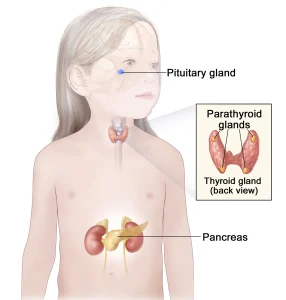
Multiple Endocrine Neoplasia, Type 1 is a rare inherited disorder that causes tumors to develop in multiple endocrine glands. These glands produce hormones that regulate many essential body functions. MEN 1 most commonly affects the parathyroid glands, pancreas, and pituitary gland.
The condition is genetic and usually appears in early adulthood, though symptoms can develop at any age. Tumors associated with MEN 1 may be benign or malignant and often lead to excess hormone production, which causes a wide range of symptoms. Lifelong monitoring is essential for early detection and management of complications.
Symptoms
Symptoms of Multiple Endocrine Neoplasia, Type 1 vary depending on which glands are affected and the hormones involved. Many symptoms are related to hormone overproduction.
Common symptoms include:
-
Kidney stones, bone pain, or fatigue due to high calcium levels
-
Abdominal pain, ulcers, diarrhea, or low blood sugar episodes
-
Headaches or vision problems
-
Menstrual irregularities or infertility
-
Erectile dysfunction or decreased libido
-
Unexplained weight changes
-
Weakness or muscle pain
Some individuals may have tumors without noticeable symptoms in the early stages.
Causes
Multiple Endocrine Neoplasia, Type 1 is caused by a mutation in the MEN1 gene, which normally helps control cell growth. When this gene is altered, cells in endocrine glands can grow uncontrollably, leading to tumor formation.
Key points about the cause include:
-
Inherited in an autosomal dominant pattern
-
A single mutated gene copy is enough to cause the condition
-
Some cases arise from new genetic mutations without family history
Because it is genetic, MEN 1 is not caused by lifestyle or environmental factors.
Risk Factors
The primary risk factor for developing Multiple Endocrine Neoplasia, Type 1 is genetic inheritance.
Major risk factors include:
-
Having a parent with MEN 1
-
Family history of endocrine tumors
-
Known MEN1 gene mutation
Both males and females are affected equally.
Complications
MEN 1 can lead to serious complications if tumors are not detected and managed early.
Possible complications include:
-
Severe hypercalcemia leading to kidney damage
-
Recurrent peptic ulcers and gastrointestinal bleeding
-
Life-threatening low blood sugar episodes
-
Vision loss due to pituitary tumors
-
Spread of malignant endocrine tumors
-
Reduced quality of life due to chronic hormonal imbalance
Regular screening significantly reduces the risk of severe complications.
Prevention
There is no way to prevent Multiple Endocrine Neoplasia, Type 1 because it is a genetic condition. However, early detection and proactive management can prevent or reduce complications.
Preventive and management strategies include:
-
Genetic counseling and testing for at-risk family members
-
Regular blood tests to monitor hormone levels
-
Periodic imaging to detect tumors early
-
Prompt treatment of hormone-related symptoms
-
Lifelong follow-up with specialized healthcare providers
Early diagnosis and consistent monitoring are key to improving long-term outcomes for individuals with MEN 1.
Advertisement
