
Overview
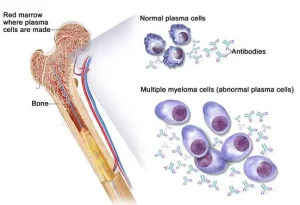
Multiple myeloma is a type of blood cancer that develops in plasma cells, a kind of white blood cell found in the bone marrow. Plasma cells normally help fight infections by producing antibodies. In multiple myeloma, abnormal plasma cells multiply uncontrollably and produce ineffective antibodies, which can damage bones, weaken the immune system, and affect other organs.
The condition often develops gradually and may be detected during routine blood tests. While multiple myeloma is a serious disease, advances in treatment have significantly improved outcomes and quality of life for many individuals.
Symptoms
Symptoms of multiple myeloma can vary widely and may be mild or absent in the early stages. As the disease progresses, symptoms become more noticeable.
Common symptoms include:
-
Bone pain, especially in the back or ribs
-
Frequent infections
-
Fatigue and weakness
-
Unexplained fractures
-
Anemia-related shortness of breath
-
Excessive thirst or frequent urination
-
Nausea or constipation
-
Weight loss
Some symptoms result from bone damage, while others are caused by anemia, kidney problems, or high calcium levels.
Causes
The exact cause of multiple myeloma is not fully understood. It occurs when plasma cells in the bone marrow undergo abnormal genetic changes that cause uncontrolled growth.
Possible contributing factors include:
-
Genetic mutations in plasma cells
-
Age-related changes in the immune system
-
Long-standing plasma cell disorders
-
Environmental exposures
In many cases, no specific cause can be identified.
Risk Factors
Several factors increase the risk of developing multiple myeloma.
Key risk factors include:
-
Increasing age, especially over 60 years
-
Male sex
-
Family history of multiple myeloma
-
Certain racial or ethnic backgrounds
-
History of monoclonal gammopathy of undetermined significance
-
Exposure to certain chemicals or radiation
Having risk factors does not guarantee the development of the disease.
Complications
Multiple myeloma can lead to serious complications if not managed appropriately.
Possible complications include:
-
Bone thinning and fractures
-
Kidney damage or failure
-
Severe infections
-
Anemia and bleeding problems
-
High calcium levels in the blood
-
Nerve damage
Early diagnosis and appropriate treatment help reduce the risk of severe complications.
Prevention
There is no known way to prevent multiple myeloma because its exact cause is unclear. However, early detection and ongoing care can help manage the disease effectively.
Preventive and management strategies include:
-
Regular medical checkups for individuals at higher risk
-
Prompt evaluation of persistent bone pain or fatigue
-
Maintaining overall health with a balanced diet and regular activity
-
Preventing infections through vaccinations and hygiene
-
Following prescribed treatment and monitoring plans closely
With timely diagnosis and advances in therapy, many people with multiple myeloma are able to manage symptoms and maintain a good quality of life.
Advertisement
