
Overview
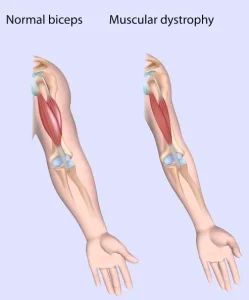
and muscle wasting over time. These conditions occur due to abnormalities in genes responsible for maintaining healthy muscle structure and function. As muscles weaken, everyday activities such as walking, lifting objects, or breathing may become increasingly difficult.
There are several types of muscular dystrophy, each varying in age of onset, muscles affected, and severity. While there is no cure, early diagnosis and ongoing management can help slow progression, manage symptoms, and improve quality of life.
Symptoms
Symptoms of muscular dystrophy vary depending on the specific type but generally worsen over time as muscle strength declines.
Common symptoms include:
-
Progressive muscle weakness
-
Difficulty walking, running, or climbing stairs
-
Frequent falls
-
Muscle cramps or stiffness
-
Enlarged calf muscles
-
Poor posture or spinal curvature
-
Delayed motor development in children
-
Difficulty lifting objects
-
Breathing or swallowing problems in advanced stages
Symptoms may begin in childhood, adolescence, or adulthood depending on the form of muscular dystrophy.
Causes
Muscular dystrophy is caused by genetic mutations that interfere with the production of proteins needed to build and maintain healthy muscle fibers. Without these proteins, muscle cells become damaged and weaken over time.
Key points about the cause include:
-
Inherited gene mutations passed from parents to children
-
Some cases result from new genetic changes without family history
-
Different gene defects cause different types of muscular dystrophy
The condition is not caused by lifestyle factors or infections.
Risk Factors
The primary risk factor for muscular dystrophy is genetic inheritance, though risk varies by type.
Key risk factors include:
-
Family history of muscular dystrophy
-
Male sex for certain types
-
Presence of known genetic mutations
-
Delayed motor milestones in childhood
Some forms affect males more commonly, while others affect both sexes equally.
Complications
As muscular dystrophy progresses, it can lead to serious health complications affecting multiple body systems.
Possible complications include:
-
Loss of mobility
-
Joint stiffness and contractures
-
Spinal deformities
-
Breathing difficulties due to weakened respiratory muscles
-
Heart problems
-
Swallowing difficulties and nutritional issues
-
Increased risk of respiratory infections
Ongoing medical care is important to monitor and manage these complications.
Prevention
There is no way to prevent muscular dystrophy because it is a genetic condition. However, steps can be taken to reduce complications and improve long-term outcomes.
Preventive and management strategies include:
-
Genetic counseling for individuals with a family history
-
Early diagnosis and regular medical follow-up
-
Physical therapy to maintain muscle strength and flexibility
-
Use of supportive devices such as braces or mobility aids
-
Monitoring heart and lung function
-
Following prescribed treatment and rehabilitation plans
With comprehensive care and supportive therapies, many individuals with muscular dystrophy can maintain independence and improve overall quality of life.
Advertisement
