
Overview
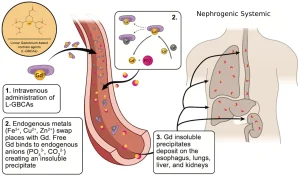
Nephrogenic systemic fibrosis is a rare but serious condition characterized by thickening and hardening of the skin and connective tissues. It occurs almost exclusively in people with severe kidney dysfunction, particularly those with advanced chronic kidney disease or acute kidney failure. The condition has been strongly associated with exposure to certain gadolinium-based contrast agents used during magnetic resonance imaging scans. Nephrogenic systemic fibrosis can lead to significant disability and reduced quality of life.
Symptoms
Symptoms usually develop days to months after exposure to gadolinium-containing contrast agents and may gradually worsen:
-
Tight, thickened, or hardened skin, often on the arms and legs
-
Skin that appears swollen, shiny, or darkened
-
Reduced flexibility and joint stiffness
-
Pain or burning sensations in affected areas
-
Muscle weakness
-
Limited range of motion that can impair walking or daily activities
In severe cases, internal organs may also be affected.
Causes
Nephrogenic systemic fibrosis is believed to be caused by an abnormal reaction to gadolinium-based contrast agents in individuals with impaired kidney function. When the kidneys cannot effectively eliminate gadolinium from the body, it may trigger widespread fibrosis, or excessive connective tissue formation. The exact biological mechanism is not fully understood, but the link between kidney failure and contrast exposure is well established.
Risk Factors
Several factors significantly increase the risk of developing nephrogenic systemic fibrosis:
-
Advanced chronic kidney disease
-
Acute kidney injury
-
Dialysis dependence
-
Exposure to certain gadolinium-based contrast agents
-
Recent kidney transplant with poor kidney function
The risk is highest in individuals with severely reduced kidney filtration rates.
Complications
Nephrogenic systemic fibrosis can lead to serious and potentially disabling complications:
-
Severe joint contractures limiting mobility
-
Chronic pain and muscle weakness
-
Loss of independence due to physical disability
-
Involvement of internal organs such as the lungs, heart, or diaphragm
-
Increased risk of complications related to immobility
The condition can be progressive and difficult to reverse once established.
Prevention
Nephrogenic systemic fibrosis is largely preventable with appropriate precautions:
-
Avoiding gadolinium-based contrast agents in individuals with severe kidney disease when possible
-
Using alternative imaging methods that do not require contrast
-
Screening kidney function before contrast-enhanced imaging
-
Selecting lower-risk contrast agents when imaging is necessary
-
Close monitoring of kidney patients who require diagnostic imaging
Strict adherence to imaging safety guidelines has significantly reduced the occurrence of nephrogenic systemic fibrosis.
Advertisement
