
Overview
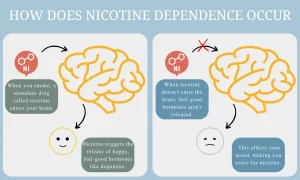
Nicotine dependence is a condition in which a person becomes physically and psychologically addicted to nicotine, a highly addictive substance found in tobacco products such as cigarettes, bidis, cigars, smokeless tobacco, and e-cigarettes. Dependence develops as nicotine repeatedly stimulates the brain’s reward system, making it difficult to stop using tobacco despite known health risks. Nicotine dependence is recognized as a substance use disorder and is a major contributor to preventable disease and death worldwide.
Symptoms
Symptoms of nicotine dependence and withdrawal may vary in severity and often include:
-
Strong cravings for tobacco or nicotine products
-
Irritability or frustration when unable to use nicotine
-
Anxiety or restlessness
-
Difficulty concentrating
-
Increased appetite and weight gain
-
Depressed mood
-
Sleep disturbances
-
Continued tobacco use despite health problems
Withdrawal symptoms typically begin within hours of stopping nicotine and peak within a few days.
Causes
Nicotine dependence is caused by repeated exposure to nicotine, which alters brain chemistry. Nicotine increases the release of dopamine, a chemical associated with pleasure and reward. Over time, the brain becomes accustomed to nicotine and requires it to function normally, leading to tolerance and dependence. Behavioral habits, emotional triggers, stress, and social influences also play a significant role in maintaining addiction.
Risk Factors
Several factors increase the likelihood of developing nicotine dependence:
-
Early initiation of tobacco use
-
Regular exposure to secondhand smoke
-
Family history of tobacco addiction
-
Stress, anxiety, or depression
-
Peer influence or social environments where tobacco use is common
-
Use of highly addictive nicotine products
The earlier nicotine use begins, the higher the risk of long-term dependence.
Complications
Nicotine dependence can lead to serious short-term and long-term complications:
-
Increased risk of heart disease, stroke, and high blood pressure
-
Lung diseases such as chronic obstructive pulmonary disease
-
Higher risk of cancers, including lung, mouth, throat, and bladder cancer
-
Worsening of diabetes and other chronic conditions
-
Pregnancy complications, including low birth weight
-
Reduced quality of life and shortened life expectancy
Continued nicotine use increases the risk of relapse even after periods of abstinence.
Prevention
Preventing nicotine dependence focuses on reducing exposure and discouraging initiation:
-
Avoiding tobacco and nicotine products entirely
-
Educating children and adolescents about the risks of nicotine
-
Implementing smoke-free environments at home and work
-
Supporting public health measures that limit tobacco access
-
Seeking early help for experimentation or occasional use
Early prevention and timely intervention are key to reducing the burden of nicotine dependence and its associated health risks.
Advertisement
