
Overview
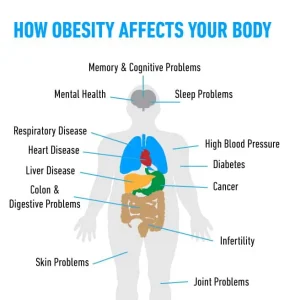
Obesity is a chronic medical condition characterized by excessive accumulation of body fat that increases the risk of health problems. It is commonly assessed using body mass index (BMI), where a BMI of 30 or higher is classified as obesity. Obesity is a complex condition influenced by genetic, behavioral, environmental, and metabolic factors, and it affects people of all ages worldwide.
Symptoms
Obesity itself may not cause noticeable symptoms, but it is often associated with physical and functional changes, including:
-
Excess body weight or increased body fat
-
Shortness of breath during physical activity
-
Fatigue and low energy levels
-
Excessive sweating
-
Joint and back pain
-
Sleep problems such as snoring or sleep apnea
-
Reduced mobility and physical endurance
Causes
Obesity develops when calorie intake consistently exceeds calorie expenditure. Multiple factors contribute to this imbalance:
-
High-calorie, low-nutrient diet
-
Sedentary lifestyle or lack of physical activity
-
Genetic predisposition affecting metabolism and fat storage
-
Hormonal imbalances
-
Certain medications such as steroids or antidepressants
-
Psychological factors including stress and emotional eating
-
Lack of sleep disrupting appetite-regulating hormones
Risk Factors
Several factors increase the likelihood of developing obesity:
-
Family history of obesity
-
Unhealthy eating habits established early in life
-
Physical inactivity
-
Socioeconomic factors limiting access to healthy foods
-
Chronic stress
-
Medical conditions affecting metabolism
-
Increasing age, which may reduce metabolic rate
Complications
Obesity significantly raises the risk of numerous serious health conditions:
-
Type 2 diabetes
-
High blood pressure and heart disease
-
Stroke
-
Certain cancers
-
Osteoarthritis
-
Sleep apnea and respiratory problems
-
Fatty liver disease
-
Reduced quality of life and mental health disorders
Prevention
Preventing obesity involves long-term lifestyle and behavioral changes:
-
Eating a balanced, nutrient-rich diet
-
Controlling portion sizes and limiting processed foods
-
Engaging in regular physical activity
-
Establishing healthy eating habits early in life
-
Managing stress effectively
-
Ensuring adequate sleep
-
Regular health check-ups to monitor weight and overall health
Request an appointment
Advertisement
