
Overview
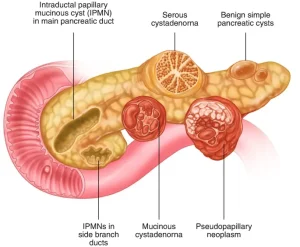
Pancreatic cysts are fluid-filled sacs that form in or on the pancreas. The pancreas is an organ located behind the stomach that helps with digestion and regulates blood sugar by producing digestive enzymes and hormones such as insulin. Many pancreatic cysts are benign, meaning they are not cancerous, and they may not cause symptoms or require treatment.
In many cases, pancreatic cysts are discovered accidentally during imaging tests such as CT scans or MRIs that are performed for other health concerns. While most cysts are harmless, some types have the potential to become cancerous over time. Because of this, proper diagnosis and monitoring are important.
Pancreatic cysts can vary in size and type. Some are related to inflammation of the pancreas, while others develop due to abnormal cell growth within the pancreatic tissue.
Symptoms
Many pancreatic cysts do not cause symptoms, especially when they are small. However, larger cysts or certain types may lead to noticeable signs.
Possible symptoms include:
-
Abdominal pain that may radiate to the back
-
Nausea or vomiting
-
Feeling of fullness or bloating in the abdomen
-
Unexplained weight loss
-
Loss of appetite
-
Jaundice, which causes yellowing of the skin and eyes
-
Fever if the cyst becomes infected
-
A palpable lump in the abdomen in rare cases
Symptoms may vary depending on the size and location of the cyst.
Causes
Pancreatic cysts can develop for several different reasons. Some are caused by inflammation or injury to the pancreas, while others arise from abnormal growth of pancreatic cells.
One common cause is pancreatitis, which is inflammation of the pancreas. After an episode of pancreatitis, a fluid collection called a pseudocyst may form. Unlike true cysts, pseudocysts do not have a true epithelial lining.
Other pancreatic cysts develop due to abnormal cell growth and may be classified as neoplastic cysts. Some of these cysts have the potential to become cancerous over time, which is why medical evaluation and monitoring are often recommended.
Risk Factors
Several factors may increase the likelihood of developing pancreatic cysts.
Important risk factors include:
-
History of pancreatitis
-
Injury or trauma to the pancreas
-
Chronic alcohol use
-
Gallstones
-
Smoking
-
Genetic conditions that affect the pancreas
-
Increasing age
People with certain inherited syndromes may have a higher chance of developing pancreatic cystic tumors.
Complications
Although many pancreatic cysts remain harmless, some can lead to complications if they grow larger or become infected.
Possible complications include:
-
Infection of the cyst
-
Rupture of the cyst
-
Blockage of nearby organs or ducts
-
Pancreatitis caused by obstruction of pancreatic ducts
-
Internal bleeding
-
Development of pancreatic cancer in certain cyst types
Because some cysts have malignant potential, doctors may recommend periodic imaging tests to monitor changes over time.
Prevention
There is no guaranteed way to prevent pancreatic cysts, but certain lifestyle habits may reduce the risk of pancreatic problems.
Preventive measures include:
-
Limiting alcohol consumption
-
Avoiding smoking
-
Maintaining a healthy body weight
-
Managing gallstones and other digestive conditions
-
Seeking prompt treatment for pancreatitis
-
Attending regular medical checkups if there is a history of pancreatic disease
Early detection and proper monitoring can help reduce the risk of serious complications associated with pancreatic cysts.
Advertisement
