
Overview
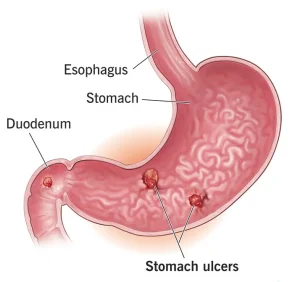
Peptic ulcer is a condition in which open sores develop on the inner lining of the stomach or the upper part of the small intestine. These sores occur when the protective lining of the digestive tract is damaged, allowing stomach acid to irritate the underlying tissues. Peptic ulcers mainly include gastric ulcers, which occur in the stomach, and duodenal ulcers, which occur in the upper small intestine.
This condition is relatively common and can affect people of all ages. Peptic ulcers may cause significant discomfort, but they can usually be treated effectively with medications and lifestyle changes. Early diagnosis and proper treatment help prevent complications and promote healing.
Symptoms
The most common symptom of a peptic ulcer is a burning or gnawing pain in the stomach area. The pain may come and go and may worsen when the stomach is empty.
Common symptoms include:
-
Burning or aching pain in the upper abdomen
-
Pain that improves or worsens after eating
-
Bloating or feeling full quickly
-
Frequent burping
-
Nausea or vomiting
-
Heartburn or indigestion
-
Loss of appetite
-
Unexplained weight loss
In severe cases, symptoms may include vomiting blood, black or tarry stools, or sudden severe abdominal pain, which require immediate medical attention.
Causes
Peptic ulcers develop when the protective lining of the stomach or small intestine becomes damaged. The two most common causes are infection and the long-term use of certain medications.
Common causes include:
-
Infection with Helicobacter pylori bacteria
-
Long-term use of nonsteroidal anti-inflammatory drugs such as ibuprofen or aspirin
-
Excess production of stomach acid
-
Smoking, which can interfere with healing
-
Excessive alcohol consumption
-
Severe stress in rare cases
These factors weaken the protective lining and allow stomach acid to damage the tissue.
Risk Factors
Several factors can increase the likelihood of developing a peptic ulcer.
These include:
-
Regular use of pain-relieving medications such as NSAIDs
-
Infection with Helicobacter pylori
-
Smoking tobacco
-
Excessive alcohol use
-
Older age
-
Family history of ulcers
-
Chronic stress or poor lifestyle habits
Having these risk factors does not guarantee an ulcer, but they may increase the chance of developing one.
Complications
If a peptic ulcer is not treated, it can lead to serious complications.
Possible complications include:
-
Internal bleeding
-
Perforation, which is a hole in the stomach or intestinal wall
-
Blockage in the digestive tract
-
Severe infection in the abdominal cavity
-
Anemia caused by long-term blood loss
These complications can be life-threatening and may require urgent medical treatment.
Prevention
Certain lifestyle and health measures can help reduce the risk of developing peptic ulcers.
Preventive measures may include:
-
Avoiding excessive use of nonsteroidal anti-inflammatory drugs
-
Taking medications with food when recommended
-
Practicing good hygiene to reduce the risk of Helicobacter pylori infection
-
Limiting alcohol consumption
-
Avoiding smoking
-
Managing stress effectively
-
Maintaining a balanced and healthy diet
Seeking medical advice for persistent stomach pain or digestive symptoms can help detect and treat peptic ulcers early.
Advertisement
