
Overview
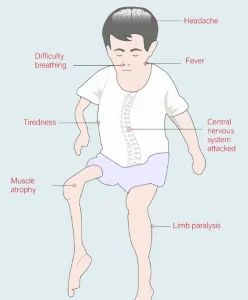
Polio, also known as poliomyelitis, is a highly contagious viral disease that primarily affects the nervous system. It is caused by the poliovirus, which spreads mainly through contaminated food, water, or close contact with an infected person. In severe cases, polio can lead to paralysis and even death.
Polio mainly affects young children, but people of any age who are not vaccinated can become infected. Many infected individuals may not show symptoms, but they can still spread the virus to others. Thanks to widespread vaccination programs, polio has become rare in many parts of the world, though it still exists in some regions.
Symptoms
Polio symptoms can range from mild illness to severe paralysis. Many people infected with the virus may not experience noticeable symptoms.
Common symptoms may include:
-
Fever
-
Sore throat
-
Fatigue
-
Headache
-
Nausea or vomiting
-
Stomach pain
In some cases, the virus affects the nervous system and causes more serious symptoms, such as:
-
Stiff neck and back
-
Muscle pain or weakness
-
Sensitivity to touch
-
Loss of reflexes
-
Paralysis, often affecting the legs
Paralysis caused by polio can occur suddenly and may be temporary or permanent.
Causes
Polio is caused by the poliovirus, which enters the body through the mouth and multiplies in the throat and intestines. The virus spreads easily from person to person.
Common ways the virus spreads include:
-
Drinking contaminated water
-
Eating contaminated food
-
Contact with the stool of an infected person
-
Poor hygiene and sanitation
-
Close contact with someone carrying the virus
After entering the body, the virus can travel through the bloodstream and may damage nerve cells that control muscle movement.
Risk Factors
Certain factors increase the risk of polio infection.
These include:
-
Not being vaccinated against polio
-
Living in or traveling to areas where polio still exists
-
Poor sanitation and limited access to clean water
-
Working in healthcare or laboratories handling the virus
-
Living in crowded environments
Young children are particularly vulnerable because their immune systems are still developing.
Complications
Severe cases of polio can lead to serious and long-term complications.
Possible complications include:
-
Permanent paralysis
-
Muscle deformities
-
Breathing difficulties if respiratory muscles are affected
-
Difficulty swallowing
-
Post-polio syndrome, which can appear years after recovery and cause muscle weakness, fatigue, and pain
These complications can significantly affect a person’s quality of life.
Prevention
Vaccination is the most effective way to prevent polio. Polio vaccines provide strong protection against the virus and have helped reduce cases worldwide.
Important prevention measures include:
-
Receiving the recommended polio vaccinations
-
Ensuring children complete the full vaccine schedule
-
Maintaining proper hygiene, including regular handwashing
-
Drinking clean and safe water
-
Improving sanitation and waste disposal systems
Global vaccination efforts continue to work toward the complete eradication of polio.
Advertisement
