
Overview
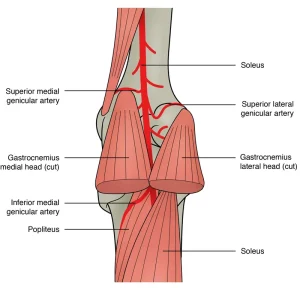
Popliteal artery entrapment is a rare vascular condition in which the popliteal artery, located behind the knee, is compressed by surrounding muscles or tendons. This compression can reduce blood flow to the lower leg and foot, leading to pain and other circulatory problems. The condition is often congenital, meaning it develops during embryonic growth, but symptoms may not appear until adolescence or adulthood, especially in physically active individuals.
Symptoms
Symptoms of popliteal artery entrapment typically appear during exercise or prolonged activity and may include:
-
Cramping or aching pain in the calf during walking or running
-
Numbness or tingling in the lower leg or foot
-
Coldness or pallor in the foot during activity
-
Fatigue or weakness in the leg muscles
-
Reduced pulse in the foot during flexion of the knee or ankle
Causes
The condition is usually caused by abnormal anatomy of the muscles or tendons around the popliteal artery:
-
Congenital variations where the artery is positioned abnormally relative to surrounding muscles
-
Hypertrophy (enlargement) of the calf muscles compressing the artery
-
Scar tissue from previous injury may contribute in some cases
Risk factors
Popliteal artery entrapment is more likely in certain groups:
-
Young, physically active adults, especially athletes
-
Male gender, as it is more common in men
-
Congenital anatomical variations of the knee and leg muscles
-
History of repetitive leg movements or high-intensity exercise
Complications
If left untreated, popliteal artery entrapment can cause:
-
Chronic leg pain and reduced exercise tolerance
-
Claudication, or cramping pain due to restricted blood flow
-
Blood clots (thrombosis) in the popliteal artery
-
Aneurysm formation due to arterial wall stress
-
Rarely, limb ischemia requiring surgical intervention
Prevention
While congenital causes cannot be prevented, steps to reduce risk and manage symptoms include:
-
Early evaluation of unexplained calf pain during exercise
-
Avoiding activities that trigger severe symptoms until treated
-
Consulting a vascular specialist for imaging and diagnosis
-
Surgical correction or minimally invasive procedures if significant arterial compression is detected
-
Maintaining overall cardiovascular health to support circulation
Timely diagnosis and treatment of popliteal artery entrapment are important to restore blood flow, relieve pain, and prevent long-term complications.
Advertisement
