
Overview
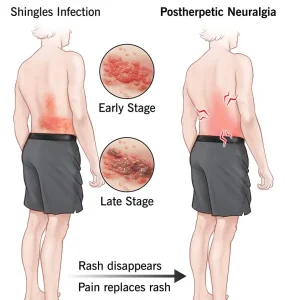
Postherpetic Neuralgia (PHN) is a chronic nerve pain condition that can occur after a shingles (herpes zoster) infection. It results from damage to the nerves caused by the varicella-zoster virus, which also causes chickenpox and shingles. PHN is characterized by persistent pain in the area where the shingles rash occurred, even after the rash has healed. It is more common in older adults and can significantly affect quality of life.
Symptoms
Symptoms of postherpetic neuralgia include:
-
Persistent burning, stabbing, or aching pain in the affected area
-
Sensitivity to touch or even mild pressure (allodynia)
-
Itching, tingling, or numbness in the skin
-
Pain that can last months or years after the shingles rash resolves
-
Sleep disturbances or difficulty performing daily activities due to pain
Causes
PHN is caused by nerve damage from the varicella-zoster virus:
-
Reactivation of the dormant virus in nerve tissue after a previous chickenpox infection
-
Inflammation and injury of sensory nerves during shingles infection
-
Changes in the central nervous system that amplify pain signals
Risk factors
Certain factors increase the risk of developing PHN:
-
Older age, especially over 60 years
-
Severe or widespread shingles rash
-
Pain during the acute shingles infection
-
Weakened immune system due to illness or medications
-
Having had shingles on the face or trunk
Complications
Postherpetic neuralgia can lead to several complications if not properly managed:
-
Chronic pain affecting daily life and mobility
-
Emotional distress, anxiety, or depression due to persistent pain
-
Sleep disturbances and fatigue
-
Social withdrawal or reduced quality of life
-
Rarely, secondary infections due to scratching sensitive areas
Prevention
Preventive strategies for PHN focus on reducing the risk of shingles and managing early symptoms:
-
Vaccination against shingles (varicella-zoster vaccine) for adults over 50
-
Early treatment of shingles with antiviral medications to reduce nerve damage
-
Pain management during acute shingles to minimize nerve sensitization
-
Maintaining a healthy immune system through proper nutrition, exercise, and stress management
-
Prompt medical consultation for persistent pain following shingles infection
Early recognition and management of postherpetic neuralgia can significantly reduce pain severity and improve long-term outcomes.
Advertisement
