
Overview
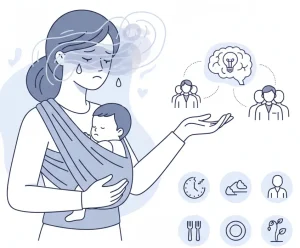
Postpartum Depression (PPD) is a type of mood disorder that can affect women after childbirth. It involves persistent feelings of sadness, anxiety, and emotional exhaustion that interfere with a mother’s ability to care for herself or her baby. Unlike the temporary “baby blues,” which usually resolve within a few days, postpartum depression can last for weeks or months and often requires medical attention and support. Early recognition and treatment are important for the well-being of both the mother and the child.
Symptoms
Symptoms of postpartum depression may vary in severity but commonly include:
-
Persistent sadness, hopelessness, or feelings of emptiness
-
Severe mood swings or frequent crying
-
Loss of interest in activities once enjoyed
-
Difficulty bonding with the baby
-
Fatigue or loss of energy
-
Changes in appetite or sleep patterns
-
Feelings of guilt, worthlessness, or inadequacy as a mother
-
Difficulty concentrating or making decisions
-
Thoughts of harming oneself or the baby in severe cases
Causes
Postpartum depression develops due to a combination of physical, emotional, and hormonal changes after childbirth. Possible contributing factors include:
-
Rapid hormonal changes after delivery, particularly drops in estrogen and progesterone
-
Physical exhaustion from childbirth and caring for a newborn
-
Emotional stress and adjustment to motherhood
-
Sleep deprivation and lifestyle changes
-
Previous history of depression or anxiety disorders
Risk factors
Certain factors can increase the likelihood of developing postpartum depression:
-
Personal or family history of depression or other mood disorders
-
Previous postpartum depression after earlier pregnancies
-
Lack of emotional or social support
-
Stressful life events during pregnancy or after childbirth
-
Complications during pregnancy or delivery
-
Having a premature or medically fragile baby
Complications
If untreated, postpartum depression can lead to several complications:
-
Difficulty bonding with the baby
-
Delayed emotional, cognitive, or behavioral development in the child
-
Relationship problems with family members or partners
-
Chronic depression or long-term mental health issues
-
Increased risk of substance misuse or self-harm
Prevention
While postpartum depression cannot always be prevented, several steps may help reduce the risk:
-
Seeking emotional support from family, friends, or support groups
-
Discussing mental health history with a healthcare provider during pregnancy
-
Ensuring adequate rest and sharing childcare responsibilities when possible
-
Maintaining healthy habits such as balanced nutrition and gentle physical activity
-
Seeking professional counseling or therapy if early symptoms appear
Early identification and appropriate treatment, including counseling, support, and sometimes medication, can help mothers recover and maintain a healthy relationship with their baby.
Advertisement
