
Overview
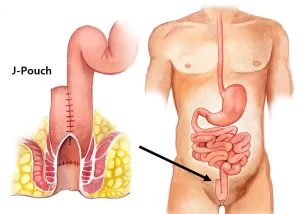
Pouchitis is an inflammatory condition that affects the ileal pouch, a surgically created pouch made from the small intestine. This pouch is typically formed after removal of the colon and rectum, most commonly in people with ulcerative colitis who undergo ileal pouch-anal anastomosis (IPAA) surgery. Pouchitis occurs when the lining of the pouch becomes inflamed, leading to digestive symptoms and discomfort. It is one of the most common complications following pouch surgery.
Symptoms
Symptoms of pouchitis may vary in severity and often resemble symptoms of inflammatory bowel disease. Common symptoms include:
-
Frequent bowel movements
-
Urgency to have a bowel movement
-
Abdominal cramps or pelvic discomfort
-
Diarrhea, sometimes with blood or mucus
-
Fever in some cases
-
Fatigue or general weakness
-
Nighttime bowel movements
Causes
The exact cause of pouchitis is not fully understood, but several factors may contribute to its development:
-
Changes in the balance of intestinal bacteria in the pouch
-
Immune system reactions that cause inflammation
-
Reduced blood supply or irritation of the pouch lining
-
Previous inflammatory bowel disease, especially ulcerative colitis
Risk factors
Certain factors may increase the likelihood of developing pouchitis:
-
History of ulcerative colitis before pouch surgery
-
Genetic predisposition to inflammatory bowel diseases
-
Presence of other autoimmune conditions
-
Use of certain medications that alter gut bacteria
-
Smoking cessation in some individuals with inflammatory bowel disease
Complications
If pouchitis becomes chronic or severe, complications can occur:
-
Persistent diarrhea and dehydration
-
Difficulty maintaining proper nutrition
-
Chronic inflammation leading to pouch dysfunction
-
Reduced quality of life due to frequent bowel symptoms
-
Rarely, failure of the pouch requiring additional surgery
Prevention
Although pouchitis cannot always be prevented, certain steps may help reduce the risk or severity:
-
Maintaining a balanced diet that supports gut health
-
Taking prescribed medications or probiotics as recommended by a healthcare provider
-
Attending regular follow-up visits after pouch surgery
-
Seeking early medical evaluation if symptoms such as persistent diarrhea or abdominal pain occur
-
Managing underlying inflammatory bowel disease under medical supervision
Early diagnosis and treatment of pouchitis can help control symptoms, prevent chronic inflammation, and improve overall digestive health.
Request an appointment
Advertisement
