
Overview
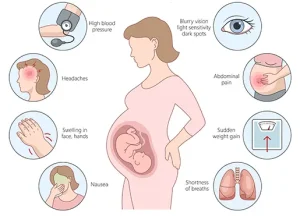
Preeclampsia is a pregnancy-related condition characterized by high blood pressure and signs of damage to organs, most commonly the liver and kidneys. It usually develops after the 20th week of pregnancy in women whose blood pressure had previously been normal. Preeclampsia can affect both the mother and the developing baby and requires careful medical monitoring.
The condition is associated with problems in the development of blood vessels in the placenta. These changes can lead to reduced blood flow and increased pressure within the mother’s blood vessels. If not properly managed, preeclampsia can progress to more serious complications such as eclampsia, which involves seizures.
Preeclampsia varies in severity. Some women may have mild symptoms, while others may develop severe complications quickly. Early diagnosis and proper prenatal care are essential to protect the health of both mother and baby.
Symptoms
Preeclampsia may develop gradually or suddenly, and some women may not notice symptoms in the early stages. In many cases, it is first detected during routine prenatal visits through elevated blood pressure and urine tests.
Common symptoms may include:
-
High blood pressure
-
Excess protein in the urine (proteinuria)
-
Severe headaches
-
Swelling of the face, hands, or feet
-
Sudden weight gain due to fluid retention
-
Blurred vision or sensitivity to light
-
Upper abdominal pain, usually under the ribs on the right side
-
Nausea or vomiting
-
Shortness of breath
Severe cases may also cause decreased urine output or changes in liver function.
Causes
The exact cause of preeclampsia is not fully understood. Researchers believe it begins with problems in the placenta, the organ that supplies oxygen and nutrients to the baby during pregnancy. Abnormal development of blood vessels in the placenta may reduce blood flow and trigger high blood pressure in the mother.
Possible contributing factors include:
-
Poor development of placental blood vessels
-
Immune system responses that affect the placenta
-
Genetic factors
-
Inflammation affecting blood vessel function
These changes can lead to narrowing of blood vessels, increased blood pressure, and damage to organs.
Risk Factors
Certain factors increase the likelihood of developing preeclampsia during pregnancy.
These include:
-
First pregnancy
-
History of preeclampsia in a previous pregnancy
-
Family history of preeclampsia
-
Multiple pregnancy, such as twins or triplets
-
Maternal age under 20 or over 35
-
Chronic high blood pressure
-
Diabetes
-
Kidney disease
-
Obesity
-
Autoimmune disorders
Women with one or more of these risk factors may require closer monitoring throughout pregnancy.
Complications
Preeclampsia can lead to serious health problems if not treated promptly. The condition can affect several organs and may threaten the life of both mother and baby.
Possible complications include:
-
Eclampsia, which involves seizures
-
Premature birth
-
Placental abruption, where the placenta separates from the uterus before delivery
-
Restricted fetal growth due to reduced blood supply
-
Organ damage, especially to the liver and kidneys
-
Stroke or severe bleeding disorders
Early medical care can help reduce the risk of these complications.
Prevention
Preeclampsia cannot always be prevented, but certain steps may help reduce the risk and support a healthy pregnancy.
Helpful preventive measures include:
-
Attending regular prenatal checkups to monitor blood pressure and urine protein
-
Maintaining a healthy weight before and during pregnancy
-
Eating a balanced and nutritious diet
-
Managing existing conditions such as high blood pressure or diabetes
-
Following medical advice regarding medications or supplements when recommended
-
Staying physically active with pregnancy-safe exercises as advised by a healthcare provider
Early detection and proper prenatal care are the most effective ways to manage preeclampsia and protect both maternal and fetal health.
Advertisement
