
Overview
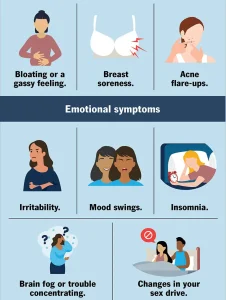
Premenstrual Syndrome (PMS) refers to a group of physical, emotional, and behavioral symptoms that occur in the days or weeks before a woman’s menstrual period. These symptoms are related to hormonal changes that happen during the menstrual cycle and typically improve or disappear once menstruation begins.
PMS is very common and affects many women during their reproductive years. The severity and type of symptoms can vary widely. Some women experience mild discomfort, while others may have symptoms that interfere with daily activities, work, or relationships.
Although the exact cause of PMS is not fully understood, hormonal fluctuations and changes in brain chemicals such as serotonin are believed to play a major role. With proper lifestyle changes, self-care strategies, and medical treatment when necessary, many women can effectively manage PMS symptoms.
Symptoms
Symptoms of PMS usually appear one to two weeks before menstruation and often resolve once the menstrual period begins.
Common physical symptoms include:
-
Abdominal bloating
-
Breast tenderness or swelling
-
Headaches
-
Fatigue or low energy
-
Muscle or joint pain
-
Weight gain due to fluid retention
-
Changes in appetite or food cravings
Emotional and behavioral symptoms may include:
-
Mood swings
-
Irritability or anger
-
Anxiety or tension
-
Sadness or feelings of depression
-
Difficulty concentrating
-
Changes in sleep patterns
The intensity of symptoms may differ from month to month and from one individual to another.
Causes
The exact cause of PMS is not completely known, but several factors are believed to contribute to the condition.
Possible causes include:
-
Hormonal fluctuations during the menstrual cycle
-
Changes in brain chemicals such as serotonin that affect mood
-
Sensitivity to normal hormone levels
-
Nutritional deficiencies
-
Stress or emotional factors
These changes can influence the body’s physical and emotional responses before menstruation.
Risk Factors
Certain factors may increase the likelihood of experiencing PMS or more severe symptoms.
These include:
-
Age between the late teens and early 40s
-
Family history of PMS
-
High levels of stress
-
History of depression or anxiety disorders
-
Poor diet or lack of physical activity
-
Smoking
Women with a history of mood disorders may also be more sensitive to hormonal changes during the menstrual cycle.
Complications
While PMS itself is not usually a serious medical condition, severe symptoms can interfere with daily life and emotional well-being.
Possible complications include:
-
Difficulty performing daily tasks or work activities
-
Relationship stress due to mood changes
-
Reduced quality of life during the premenstrual phase
-
Severe form known as premenstrual dysphoric disorder, which involves intense emotional symptoms
Proper management can help reduce the impact of these symptoms.
Prevention
Although PMS cannot always be completely prevented, certain lifestyle habits may help reduce its severity and frequency.
Helpful preventive measures include:
-
Maintaining a balanced diet with plenty of fruits, vegetables, and whole grains
-
Reducing intake of salt, caffeine, and sugary foods before menstruation
-
Exercising regularly to improve mood and energy levels
-
Managing stress through relaxation techniques such as yoga or meditation
-
Getting adequate sleep each night
-
Avoiding smoking and limiting alcohol intake
Women with severe or persistent symptoms should consult a healthcare provider for proper evaluation and treatment options.
Advertisement
