
Overview
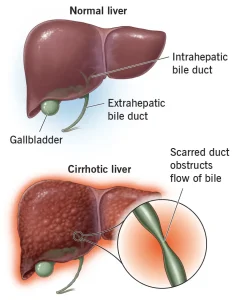
Primary biliary cholangitis is a chronic liver disease in which the small bile ducts inside the liver gradually become inflamed and damaged. These bile ducts normally carry bile, a digestive fluid produced by the liver, to the small intestine. When the ducts are damaged, bile builds up in the liver and slowly destroys liver tissue.
This condition develops slowly and may not cause noticeable symptoms in the early stages. Over time, the buildup of bile can lead to liver scarring, known as cirrhosis, and eventually liver failure if untreated. Primary biliary cholangitis is considered an autoimmune disease, meaning the body’s immune system mistakenly attacks the bile ducts. The disease is more common in women and typically appears in middle adulthood.
Early diagnosis and proper treatment can slow disease progression and help protect liver function.
Symptoms
Many people with primary biliary cholangitis may not experience symptoms at first. When symptoms develop, they often appear gradually and may worsen over time.
Common symptoms include:
-
Persistent fatigue or weakness
-
Itchy skin
-
Dry eyes and dry mouth
-
Abdominal discomfort, especially in the upper right side
-
Joint or muscle pain
-
Darkening of the skin in some areas
As the disease progresses, additional symptoms may develop:
-
Yellowing of the skin and eyes
-
Swelling in the legs or abdomen
-
Bone pain or fractures due to weakened bones
-
High cholesterol levels
-
Memory problems or difficulty concentrating
Causes
The exact cause of primary biliary cholangitis is not fully understood. It is believed to result from a combination of genetic and environmental factors that trigger an abnormal immune response.
In this condition, the immune system mistakenly attacks the cells lining the bile ducts, causing inflammation and gradual destruction of these ducts. As bile flow becomes blocked, toxic substances accumulate in the liver and damage liver cells.
Possible contributing factors include:
-
Genetic predisposition
-
Autoimmune reactions
-
Environmental triggers such as infections or toxins
-
Hormonal influences
Although the disease is not contagious, having certain genetic traits may increase susceptibility.
Risk factors
Several factors may increase the likelihood of developing primary biliary cholangitis.
-
Being female
-
Age between 30 and 60 years
-
Family history of the condition
-
Having other autoimmune diseases
-
Smoking or exposure to certain environmental toxins
Individuals with autoimmune conditions such as thyroid disorders or rheumatoid arthritis may also have a higher risk.
Complications
If the disease progresses without treatment, primary biliary cholangitis can lead to serious complications affecting the liver and other organs.
Possible complications include:
-
Cirrhosis or severe liver scarring
-
Liver failure
-
Portal hypertension, which is increased pressure in the liver’s blood vessels
-
Enlarged spleen
-
Bone thinning or osteoporosis
-
Fat-soluble vitamin deficiencies
-
Increased risk of liver cancer in advanced stages
These complications often develop gradually as liver damage worsens.
Prevention
There is no known way to completely prevent primary biliary cholangitis because its exact cause remains unclear. However, certain measures may help protect liver health and slow disease progression.
-
Avoid alcohol or limit intake to reduce stress on the liver
-
Maintain a balanced diet rich in nutrients
-
Stay physically active to support overall health
-
Manage other autoimmune conditions effectively
-
Attend regular medical checkups to monitor liver function
Early diagnosis and appropriate medical treatment can significantly slow the progression of the disease and improve quality of life.
Advertisement
