
Overview
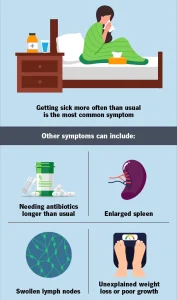
Primary immunodeficiency is a group of disorders in which part of the body’s immune system is missing or does not function properly. The immune system normally protects the body from infections caused by bacteria, viruses, and other harmful organisms. When this defense system is weakened, the body becomes more vulnerable to frequent, severe, or unusual infections.
Primary immunodeficiency is usually caused by inherited genetic defects that affect immune cells or proteins involved in immune responses. These conditions are often present from birth, although symptoms may appear during childhood or later in life. There are many different types of primary immunodeficiency disorders, each affecting the immune system in different ways.
Early diagnosis and proper treatment can help reduce infections and improve quality of life for people living with these conditions.
Symptoms
Symptoms of primary immunodeficiency vary depending on the specific disorder and the part of the immune system that is affected. The most common sign is frequent or recurring infections.
Common symptoms include:
-
Frequent ear, sinus, or lung infections
-
Recurrent pneumonia or bronchitis
-
Persistent or severe skin infections
-
Chronic diarrhea or digestive problems
-
Slow growth or poor weight gain in children
-
Unusual infections caused by normally harmless organisms
Some individuals may also experience autoimmune problems, where the immune system mistakenly attacks healthy tissues.
Causes
Primary immunodeficiency disorders are mainly caused by genetic mutations that affect how the immune system develops or functions. These mutations can interfere with the production or activity of immune cells such as white blood cells or antibodies.
Different parts of the immune system may be affected, including:
-
B cells that produce antibodies
-
T cells that help coordinate immune responses
-
Phagocytes that destroy invading microbes
-
Complement proteins that assist immune defenses
These genetic changes are usually inherited from one or both parents, although in some cases the mutation may occur spontaneously.
Risk factors
The main risk factor for primary immunodeficiency is a family history of immune system disorders.
Other factors that may increase the likelihood include:
-
Having relatives with diagnosed immune deficiencies
-
Certain inherited genetic mutations
-
Being male in some types of immunodeficiency disorders
-
Family history of recurrent or unexplained infections
Because many of these conditions are inherited, genetic counseling may be recommended for families with known cases.
Complications
Without proper treatment, primary immunodeficiency disorders can lead to serious health problems due to repeated infections and immune system dysfunction.
Possible complications include:
-
Chronic lung disease from repeated respiratory infections
-
Damage to organs such as the lungs, liver, or spleen
-
Autoimmune diseases
-
Increased risk of certain cancers
-
Delayed growth and development in children
Managing infections and strengthening immune function can help reduce these complications.
Prevention
Primary immunodeficiency cannot usually be prevented because it results from inherited genetic abnormalities. However, certain strategies can help reduce infections and maintain better health.
-
Early diagnosis through medical evaluation and genetic testing
-
Regular medical checkups to monitor immune function
-
Prompt treatment of infections
-
Staying up to date with recommended vaccinations when appropriate
-
Practicing good hygiene to reduce exposure to infectious agents
For families with a history of immune disorders, genetic counseling may help assess risks and guide future planning.
Advertisement
