
Overview
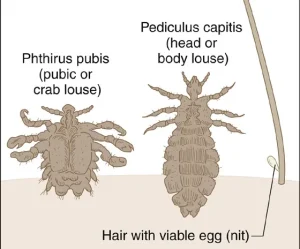
Pubic Lice, commonly called crabs, are tiny parasitic insects that infest coarse body hair, most often in the pubic region. They feed on human blood and attach to hair shafts, causing irritation and itching. Pubic lice are different from head lice and body lice, although they belong to the same family of parasites.
Pubic lice are usually spread through close physical contact, especially sexual contact. Less commonly, they can spread through sharing contaminated clothing, bedding, or towels. While the condition can be uncomfortable and distressing, it is treatable with proper medications and hygiene practices.
Symptoms
Symptoms of pubic lice usually develop a few days to weeks after infestation.
Common symptoms include:
-
Intense itching in the pubic area
-
Visible small lice or tiny eggs attached to hair shafts
-
Red or irritated skin in the affected area
-
Small blue or dark spots on the skin caused by bites
-
Inflammation or sores due to scratching
In some cases, lice may also infest other coarse body hair such as the armpits, chest, beard, eyebrows, or eyelashes.
Causes
Pubic lice infestations occur when the lice transfer from one person to another. The parasites cling tightly to coarse hair and survive by feeding on blood from the skin.
Common ways the infestation spreads include:
-
Sexual contact with an infected person
-
Close physical contact with an infested individual
-
Sharing contaminated clothing, towels, or bedding
-
Sleeping in infested beds or using contaminated fabrics
Pubic lice cannot jump or fly; they spread primarily through direct contact.
Risk Factors
Certain factors may increase the likelihood of getting pubic lice.
These include:
-
Having close physical or sexual contact with an infected person
-
Multiple sexual partners
-
Sharing bedding, clothing, or towels with others
-
Living in crowded environments
-
Poor hygiene conditions in some environments
Anyone with pubic hair can become infested if exposed to the parasites.
Complications
Pubic lice infestations are usually not serious, but complications can occur if the condition is not treated.
Possible complications include:
-
Skin infections caused by excessive scratching
-
Irritated or inflamed skin
-
Spread of lice to other body areas with coarse hair
-
Emotional stress or embarrassment
In rare cases, lice affecting the eyelashes can lead to eye irritation or inflammation.
Prevention
Preventing pubic lice mainly involves avoiding exposure to the parasites and maintaining good hygiene.
Helpful preventive steps include:
-
Avoiding sexual contact with infected individuals until treatment is completed
-
Washing clothing, bedding, and towels in hot water if infestation occurs
-
Avoiding sharing personal items such as towels or undergarments
-
Practicing safe sexual behaviors
-
Seeking prompt treatment if lice are detected
Proper treatment and cleaning of personal items can eliminate the infestation and prevent reinfestation.
Advertisement
