
Overview
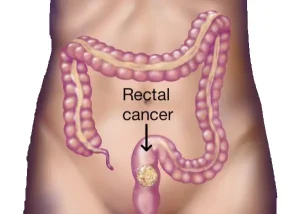
Rectal cancer is a type of colorectal cancer that develops in the rectum, the final portion of the large intestine located just before the anus. It occurs when abnormal cells grow uncontrollably in the rectal lining and form a malignant tumor. Rectal cancer often shares similarities with colon cancer but differs in location, treatment approach, and surgical considerations. Early detection greatly improves treatment outcomes and survival rates.
Rectal Cancer Symptoms
Symptoms of rectal cancer may be mild in early stages and become more noticeable as the disease progresses.
-
Rectal bleeding or blood in the stool
-
Changes in bowel habits, including diarrhea or constipation
-
Narrow or ribbon-like stools
-
Persistent feeling of incomplete bowel emptying
-
Abdominal discomfort or cramping
-
Unexplained weight loss
-
Fatigue and weakness
-
Iron-deficiency anemia
Rectal Cancer Causes
Rectal cancer develops due to genetic mutations that cause normal rectal cells to become cancerous.
-
Transformation of benign polyps into malignant tumors
-
Accumulation of genetic mutations affecting cell growth
-
Chronic inflammation of the rectum
-
DNA damage influenced by environmental and lifestyle factors
-
Inherited genetic syndromes affecting colorectal cells
Rectal Cancer Risk Factors
Several factors increase the risk of developing rectal cancer.
-
Increasing age, especially over 50 years
-
Family history of colorectal or rectal cancer
-
Personal history of colorectal polyps
-
Inflammatory bowel disease, including ulcerative colitis
-
Diet high in red or processed meats
-
Obesity and physical inactivity
-
Smoking and excessive alcohol consumption
-
Genetic conditions such as Lynch syndrome
Rectal Cancer Complications
Rectal cancer can lead to serious complications, particularly if diagnosed at an advanced stage.
-
Bowel obstruction
-
Severe bleeding causing anemia
-
Spread of cancer to lymph nodes or distant organs
-
Chronic pain and discomfort
-
Fistula formation
-
Impact on bowel, urinary, or sexual function
-
Reduced quality of life
Rectal Cancer Prevention
Preventive strategies focus on reducing risk factors and promoting early detection.
-
Regular colorectal cancer screening as recommended
-
Removal of precancerous polyps during colonoscopy
-
Eating a diet rich in fruits, vegetables, and whole grains
-
Limiting red and processed meat intake
-
Maintaining a healthy body weight
-
Engaging in regular physical activity
-
Avoiding smoking and limiting alcohol consumption
-
Managing chronic bowel conditions with medical guidance
Rectal cancer is a treatable condition, especially when detected early, and preventive measures combined with routine screening play a crucial role in reducing disease burden.
Advertisement
