
Overview
Rheumatic fever is an inflammatory disease that can develop as a delayed complication of untreated or inadequately treated streptococcal throat infections, such as strep throat or scarlet fever. It most commonly affects children and adolescents but can occur at any age. Rheumatic fever can involve the heart, joints, skin, and nervous system, and repeated episodes may lead to long-term heart damage known as rheumatic heart disease.
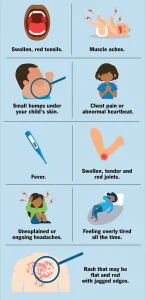
Symptoms of Rheumatic Fever
Symptoms usually appear several weeks after a streptococcal infection and can vary in severity.
-
Fever
-
Painful, swollen, and tender joints, often affecting knees, ankles, elbows, or wrists
-
Chest pain or shortness of breath due to heart inflammation
-
Fatigue or weakness
-
Uncontrolled, jerky movements of the hands, feet, or face
-
Skin rash or small, painless nodules under the skin
Causes of Rheumatic Fever
Rheumatic fever occurs when the body’s immune response to group A streptococcal bacteria mistakenly attacks its own tissues.
Key contributing factors include:
-
Untreated or partially treated streptococcal throat infection
-
Abnormal immune reaction to streptococcal antigens
The condition is not contagious, but the initial strep infection is.
Risk Factors for Rheumatic Fever
Certain factors increase the likelihood of developing rheumatic fever.
-
Children and teenagers between 5 and 15 years of age
-
History of frequent streptococcal throat infections
-
Living in overcrowded or low-resource settings
-
Limited access to prompt medical care
-
Family history of rheumatic fever
Complications of Rheumatic Fever
Rheumatic fever can cause serious and long-lasting complications, particularly involving the heart.
-
Damage to heart valves leading to rheumatic heart disease
-
Heart rhythm abnormalities
-
Heart failure in severe cases
-
Chronic joint pain
-
Increased risk of recurrent rheumatic fever episodes
Early treatment reduces the risk of long-term complications.
Prevention of Rheumatic Fever
Rheumatic fever is largely preventable with timely treatment of streptococcal infections.
-
Prompt diagnosis and complete antibiotic treatment of strep throat
-
Regular follow-up for children with a history of rheumatic fever
-
Long-term preventive antibiotics in individuals at high risk of recurrence
-
Improved hygiene and reduced overcrowding
Early recognition and proper management of streptococcal infections play a crucial role in preventing rheumatic fever and its complications.
Advertisement
