
Overview
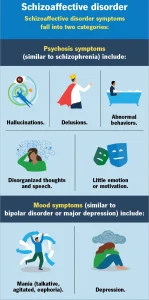
Schizoaffective disorder is a chronic mental health condition that includes symptoms of both schizophrenia and mood disorders such as depression or bipolar disorder. It affects how a person thinks, feels, and behaves, often causing disruptions in daily functioning, relationships, and work life.
This disorder is characterized by episodes of psychosis, such as hallucinations or delusions, along with periods of mood disturbances. Schizoaffective disorder can be challenging to diagnose because its symptoms overlap with other psychiatric conditions. Early diagnosis and consistent treatment can help manage symptoms effectively.
Symptoms
Symptoms of schizoaffective disorder vary from person to person and may differ depending on whether the mood component is depressive or bipolar type.
Psychotic symptoms may include:
-
Hallucinations, such as hearing voices
-
Delusions or false beliefs
-
Disorganized thinking or speech
-
Paranoia
Mood-related symptoms may include:
-
Persistent sadness or feelings of hopelessness
-
Loss of interest in daily activities
-
Extreme mood swings
-
Increased energy or risky behavior during manic episodes
-
Changes in sleep patterns
-
Difficulty concentrating
For diagnosis, a person must experience a period of psychosis without mood symptoms for at least two weeks, along with significant mood episodes during the course of the illness.
Causes
The exact cause of schizoaffective disorder is not fully understood. It is believed to result from a combination of genetic, biological, and environmental factors.
Imbalances in brain chemicals such as dopamine and serotonin may play a role. Brain structure differences and family history of schizophrenia, bipolar disorder, or depression may also contribute to the development of this condition.
Stressful life events and substance use can trigger or worsen symptoms in susceptible individuals.
Risk Factors
Certain factors may increase the risk of developing schizoaffective disorder:
-
Family history of schizophrenia or mood disorders
-
Exposure to severe stress or trauma
-
Substance misuse
-
Imbalances in brain chemistry
Although these factors may raise the likelihood, not everyone with risk factors will develop the disorder.
Complications
Without proper treatment, schizoaffective disorder can lead to serious complications affecting mental, emotional, and social well-being.
Possible complications include:
-
Increased risk of suicide
-
Substance abuse
-
Social isolation
-
Difficulty maintaining employment or relationships
-
Legal or financial problems
Long-term symptoms may interfere with independent living if not managed appropriately.
Prevention
There is no guaranteed way to prevent schizoaffective disorder, especially when genetic factors are involved. However, early intervention and mental health support may reduce the severity of symptoms.
Helpful preventive measures include:
-
Seeking professional help at the first signs of mood or psychotic symptoms
-
Managing stress effectively
-
Avoiding substance misuse
-
Following prescribed treatment plans consistently
-
Maintaining strong social support networks
Early diagnosis, ongoing therapy, and medication when necessary can significantly improve quality of life and long-term outcomes.
Advertisement
