
Overview
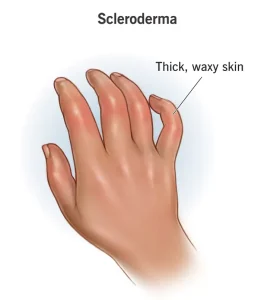
Scleroderma is a chronic autoimmune disease characterized by abnormal growth of connective tissue, leading to hardening and tightening of the skin. The word scleroderma means hard skin, but the condition can also affect blood vessels, internal organs, and the digestive system.
There are two main forms of scleroderma: localized scleroderma, which mainly affects the skin, and systemic scleroderma, which can involve internal organs such as the lungs, heart, kidneys, and gastrointestinal tract. The severity of the disease varies widely from person to person. Early diagnosis and ongoing medical care are important to manage symptoms and prevent complications.
Symptoms
Symptoms of scleroderma depend on the type and organs involved.
Common skin-related symptoms include:
-
Thickening and tightening of the skin
-
Shiny or hardened patches of skin
-
Swelling of fingers or hands
-
Changes in skin color
Other possible symptoms include:
-
Raynaud’s phenomenon, where fingers turn white or blue in response to cold
-
Joint pain and stiffness
-
Difficulty swallowing
-
Heartburn or digestive problems
-
Shortness of breath
-
Fatigue
In systemic cases, internal organ involvement may lead to more serious symptoms.
Causes
The exact cause of scleroderma is not fully understood. It is an autoimmune disorder, meaning the immune system mistakenly attacks the body’s own tissues. This leads to overproduction of collagen, a protein that gives structure to skin and connective tissues.
Genetic factors, environmental exposures, and immune system abnormalities may contribute to the development of the disease. However, the exact trigger is often unknown.
Risk Factors
Certain factors may increase the risk of developing scleroderma:
-
Female gender
-
Age between 30 and 50 years
-
Family history of autoimmune diseases
-
Exposure to certain environmental toxins
Although these factors may increase risk, scleroderma can develop in individuals without any clear risk factors.
Complications
Scleroderma can cause a range of complications, especially when internal organs are affected.
Possible complications include:
-
Severe Raynaud’s phenomenon leading to tissue damage
-
Lung scarring and breathing difficulties
-
Heart rhythm problems
-
Kidney damage
-
Digestive system disorders
-
Joint contractures limiting movement
Complications can vary in severity and may require specialized medical treatment.
Prevention
There is no known way to prevent scleroderma because its exact cause is unknown. However, early diagnosis and management can help reduce complications and improve quality of life.
Helpful strategies include:
-
Regular medical monitoring
-
Managing Raynaud’s symptoms by keeping warm
-
Avoiding smoking
-
Following prescribed treatment plans
-
Seeking prompt medical care for new or worsening symptoms
Timely treatment and lifestyle adjustments can help control symptoms and support overall health.
Advertisement
