
Overview
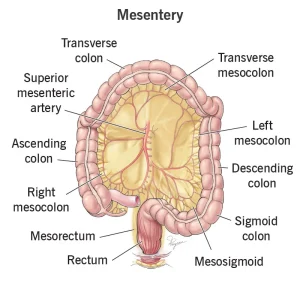
Sclerosing mesenteritis is a rare inflammatory condition that affects the mesentery, the fold of tissue that attaches the intestines to the abdominal wall and supports blood vessels, nerves, and lymph nodes. The condition is characterized by chronic inflammation, fat necrosis, and fibrosis within the mesenteric tissue.
Sclerosing mesenteritis can range from mild and asymptomatic to severe and symptomatic. In many cases, it is discovered incidentally during imaging tests performed for other reasons. Although the exact cause is not fully understood, early recognition helps manage symptoms and prevent complications.
Symptoms
Symptoms of sclerosing mesenteritis vary depending on the severity of inflammation and the extent of tissue involvement. Some individuals may not experience symptoms at all.
Common symptoms include:
-
Chronic abdominal pain
-
Bloating or abdominal fullness
-
Nausea and vomiting
-
Diarrhea or constipation
-
Unexplained weight loss
-
Fatigue
In more advanced cases, inflammation and scarring may interfere with normal intestinal function.
Causes
The exact cause of sclerosing mesenteritis is unknown. It is believed to involve an abnormal immune or inflammatory response affecting the mesenteric fat.
Possible contributing factors include:
-
Previous abdominal surgery or trauma
-
Autoimmune disorders
-
Infections
-
Association with certain cancers
In many patients, no clear trigger can be identified.
Risk Factors
Although rare, certain factors may increase the likelihood of developing sclerosing mesenteritis:
-
Middle to older age
-
Male gender
-
History of abdominal surgery
-
Presence of autoimmune conditions
-
History of malignancy
Having these risk factors does not guarantee the condition will develop.
Complications
While some cases remain mild, sclerosing mesenteritis can lead to complications if inflammation progresses.
Possible complications include:
-
Intestinal obstruction due to scarring
-
Chronic abdominal pain
-
Malabsorption of nutrients
-
Reduced blood flow to parts of the intestine
Severe complications may require medical or surgical intervention.
Prevention
There is no proven way to prevent sclerosing mesenteritis because its exact cause is unclear. However, early detection and monitoring can help reduce the risk of complications.
Helpful preventive and management strategies include:
-
Regular follow-up with a healthcare provider if diagnosed
-
Prompt evaluation of persistent abdominal pain
-
Management of underlying autoimmune conditions
-
Adherence to prescribed medications and treatment plans
Early medical care and consistent monitoring are important for maintaining intestinal health and preventing progression.
Advertisement
