
Overview
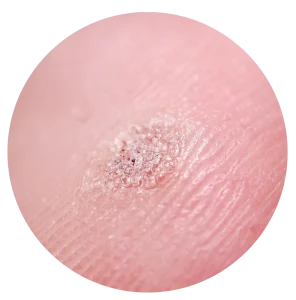
Seborrheic keratosis is a common, noncancerous skin growth that typically appears in adults as they age. These growths develop on the outer layer of the skin and can vary in color from light tan to dark brown or black. They often have a waxy, scaly, or slightly raised appearance and may look as though they are stuck onto the skin.
Seborrheic keratoses are harmless and do not turn into skin cancer. Although they may resemble more serious skin conditions, they usually do not require treatment unless they cause discomfort or cosmetic concern.
Symptoms
Seborrheic keratosis can present differently from person to person, but certain features are common.
Typical symptoms include:
-
A round or oval skin growth
-
Waxy, rough, or scaly surface
-
Raised or flat appearance
-
Color ranging from tan to brown or black
-
Mild itching or irritation in some cases
-
Single growth or multiple lesions clustered together
They most often appear on the chest, back, shoulders, face, or scalp, but rarely on the palms or soles.
Causes
The exact cause of seborrheic keratosis is not fully understood. It develops due to the buildup of skin cells rather than abnormal or cancerous changes.
Possible contributing factors include:
-
Natural aging process of the skin
-
Genetic predisposition
-
Increased skin cell production
-
Hormonal influences
Seborrheic keratoses are not caused by viruses and are not contagious.
Risk Factors
Certain factors increase the likelihood of developing seborrheic keratosis.
Risk factors include:
-
Increasing age, especially over 40 years
-
Family history of seborrheic keratosis
-
Prolonged sun exposure
-
Fair or light skin types
-
Pregnancy, due to hormonal changes in some individuals
The condition is equally common in men and women.
Complications
Seborrheic keratosis itself is benign and usually does not cause medical complications. However, issues may arise in specific situations.
Possible complications include:
-
Irritation or bleeding if the growth rubs against clothing
-
Inflammation from scratching
-
Cosmetic concerns affecting self-confidence
-
Difficulty distinguishing the growth from skin cancer without medical evaluation
Any sudden changes in size, color, or appearance should be assessed to rule out other conditions.
Prevention
There is no proven way to prevent seborrheic keratosis, as it is largely related to aging and genetics. However, certain steps may support overall skin health and early detection.
Preventive measures include:
-
Performing regular skin self-examinations
-
Protecting skin from excessive sun exposure
-
Using sunscreen and protective clothing
-
Seeking medical advice for new or changing skin lesions
-
Attending routine skin checks if at higher risk
Early evaluation helps confirm the diagnosis and provides reassurance, even though seborrheic keratosis itself is harmless.
Advertisement
