
Overview
Selective IgA deficiency is the most common primary immunodeficiency disorder. It occurs when the body produces very low levels or no immunoglobulin A, an antibody that plays a key role in immune defense at mucosal surfaces such as the respiratory, gastrointestinal, and genitourinary tracts.
Many individuals with selective IgA deficiency remain healthy and may never know they have the condition. Others may experience frequent infections, allergic disorders, or autoimmune conditions. The severity and impact vary widely from person to person.
Symptoms
Symptoms of selective IgA deficiency range from none to recurrent health issues, depending on immune function and associated conditions.
Common symptoms include:
-
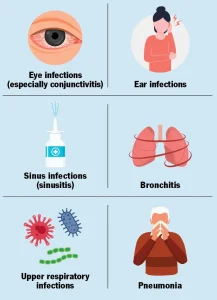
Frequent respiratory infections such as sinusitis or bronchitis
-
Recurrent ear infections
-
Chronic diarrhea or gastrointestinal infections
-
Increased susceptibility to intestinal parasites
-
Allergic conditions such as asthma, eczema, or food allergies
-
Fatigue related to repeated infections
Some individuals may also experience reactions to blood transfusions due to antibodies against IgA.
Causes
Selective IgA deficiency is caused by a failure of the immune system to produce immunoglobulin A. The exact mechanism is not fully understood.
Possible causes include:
-
Genetic factors affecting immune cell development
-
Abnormal maturation of B lymphocytes
-
Inherited immune system dysfunction
-
Unknown environmental or immune triggers
In many cases, the condition appears sporadically without a clear family history.
Risk Factors
Certain factors increase the likelihood of developing selective IgA deficiency.
Risk factors include:
-
Family history of immunodeficiency disorders
-
Genetic susceptibility
-
Presence of autoimmune diseases
-
Coexisting immune system abnormalities
-
Certain ethnic backgrounds with higher prevalence
The condition can be diagnosed at any age but is often identified in childhood or early adulthood.
Complications
While some individuals have no complications, others may experience long-term health issues related to immune dysfunction.
Possible complications include:
-
Recurrent or chronic infections
-
Autoimmune diseases such as celiac disease or rheumatoid arthritis
-
Allergic disorders
-
Gastrointestinal inflammation
-
Increased risk of transfusion reactions
-
Reduced quality of life due to frequent illness
Ongoing monitoring is important for individuals with recurrent symptoms or associated conditions.
Prevention
There is no known way to prevent selective IgA deficiency, as it is largely influenced by genetic and immune factors. However, measures can help reduce complications and improve health outcomes.
Preventive strategies include:
-
Early diagnosis and regular medical follow-up
-
Prompt treatment of infections
-
Staying up to date with recommended vaccinations
-
Avoiding unnecessary exposure to infections
-
Informing healthcare providers of the condition before blood transfusions
-
Managing associated autoimmune or allergic conditions
With appropriate care and monitoring, many individuals with selective IgA deficiency can lead healthy and active lives.
Advertisement
